
基于Assimp和OpenMesh的网格简化
几天前,我问了一个关于如何使用Assimp边缘塌陷的问题。平滑obj和删除软件中的重复顶点是解决可能使边缘折叠工作的基本问题,我的意思是它可以工作,因为它可以被MeshLab简化如下:
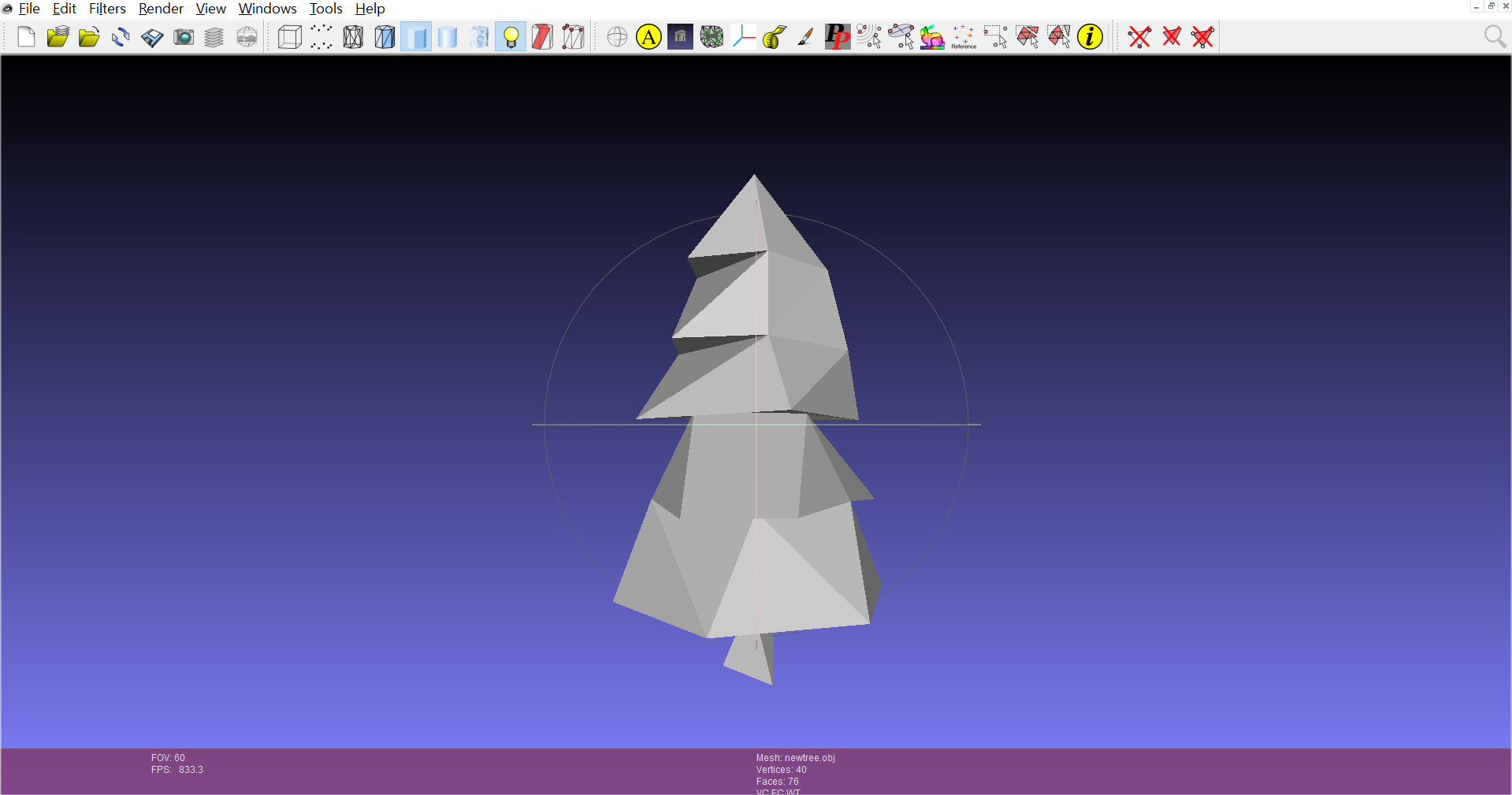
它在MeshLab中看起来不错,但我在使用Assimp和OpenMesh的引擎中这样做。问题是Assimp导入了指定的顶点和指数,这会使哈费奇忽略对(这称为非流形吗?)。结果快照使用OpenMesh的二次抽取:
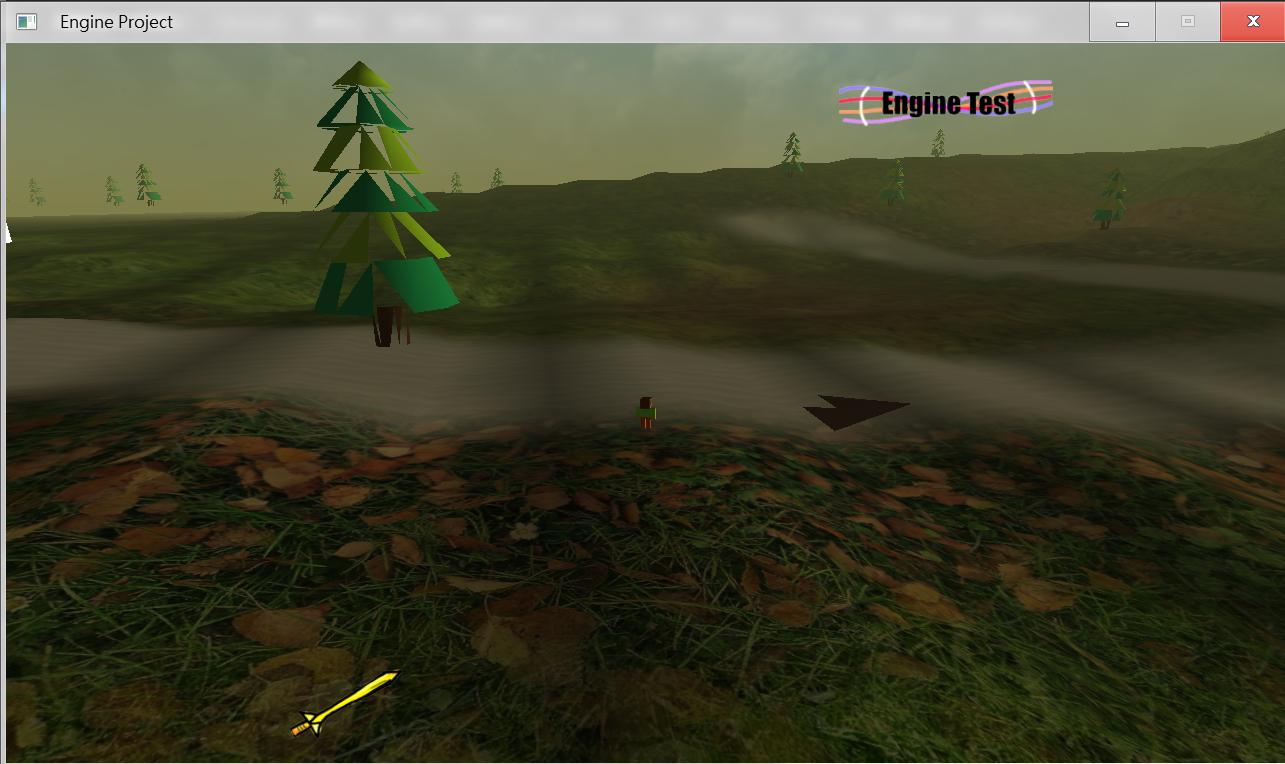
为了找出问题所在,我不需要抽取,直接解析OpenMesh数据结构。一切都如预期的那样运转良好(我指的是没有抽取的结果)。

我用来抽取网格的代码:
Loader::BasicData Loader::TestEdgeCollapse(float vertices[], int vertexLength, int indices[], int indexLength, float texCoords[], int texCoordLength, float normals[], int normalLength)
{
    // Mesh type
    typedef OpenMesh::TriMesh_ArrayKernelT<>   OPMesh;
    // Decimater type
    typedef OpenMesh::Decimater::DecimaterT< OPMesh > OPDecimater;
    // Decimation Module Handle type
    typedef OpenMesh::Decimater::ModQuadricT< OPMesh >::Handle HModQuadric;

    OPMesh mesh;
    std::vector<OPMesh::VertexHandle> vhandles;
    int iteration = 0;
    for (int i = 0; i < vertexLength; i += 3)
    {
        vhandles.push_back(mesh.add_vertex(OpenMesh::Vec3f(vertices[i], vertices[i + 1], vertices[i + 2])));
        if (texCoords != nullptr)
            mesh.set_texcoord2D(vhandles.back(),OpenMesh::Vec2f(texCoords[iteration * 2], texCoords[iteration * 2 + 1]));
        if (normals != nullptr)
            mesh.set_normal(vhandles.back(), OpenMesh::Vec3f(normals[i], normals[i + 1], normals[i + 2]));
        iteration++;
    }

    for (int i = 0; i < indexLength; i += 3)
        mesh.add_face(vhandles[indices[i]], vhandles[indices[i + 1]], vhandles[indices[i + 2]]);

    OPDecimater decimater(mesh);
    HModQuadric hModQuadric;
    decimater.add(hModQuadric);
    decimater.module(hModQuadric).unset_max_err();
    decimater.initialize();
    //decimater.decimate(); // without this, everything is fine as expect.
    mesh.garbage_collection();

    int verticesSize = mesh.n_vertices() * 3;
    float* newVertices = new float[verticesSize];
    int indicesSize = mesh.n_faces() * 3;
    int* newIndices = new int[indicesSize];
    float* newTexCoords = nullptr;
    int texCoordSize = mesh.n_vertices() * 2;
    if(mesh.has_vertex_texcoords2D())
        newTexCoords = new float[texCoordSize];
    float* newNormals = nullptr;
    int normalSize = mesh.n_vertices() * 3;
    if(mesh.has_vertex_normals())
        newNormals = new float[normalSize];

    Loader::BasicData data;

    int index = 0;
    for (v_it = mesh.vertices_begin(); v_it != mesh.vertices_end(); ++v_it)
    {
        OpenMesh::Vec3f &point = mesh.point(*v_it);
        newVertices[index * 3] = point[0];
        newVertices[index * 3 + 1] = point[1];
        newVertices[index * 3 + 2] = point[2];
        if (mesh.has_vertex_texcoords2D())
        {
            auto &tex = mesh.texcoord2D(*v_it);
            newTexCoords[index * 2] = tex[0];
            newTexCoords[index * 2 + 1] = tex[1];
        }
        if (mesh.has_vertex_normals())
        {
            auto &normal = mesh.normal(*v_it);
            newNormals[index * 3] = normal[0];
            newNormals[index * 3 + 1] = normal[1];
            newNormals[index * 3 + 2] = normal[2];
        }
        index++;
    }
    index = 0;

    for (f_it = mesh.faces_begin(); f_it != mesh.faces_end(); ++f_it)
        for (fv_it = mesh.fv_ccwiter(*f_it); fv_it.is_valid(); ++fv_it)
        {
            int id = fv_it->idx();
            newIndices[index] = id;
            index++;
        }

    data.Indices = newIndices;
    data.IndicesLength = indicesSize;
    data.Vertices = newVertices;
    data.VerticesLength = verticesSize;
    data.TexCoords = nullptr;
    data.TexCoordLength = -1;
    data.Normals = nullptr;
    data.NormalLength = -1;
    if (mesh.has_vertex_texcoords2D())
    {
        data.TexCoords = newTexCoords;
        data.TexCoordLength = texCoordSize;
    }
    if (mesh.has_vertex_normals())
    {
        data.Normals = newNormals;
        data.NormalLength = normalSize;
    }
    return data;
}还提供了我测试过的乔木和Assimp生成的人脸数据,我从visual调试器中提取出来,这表明了一些索引无法找到索引对的问题。
回答 1
Stack Overflow用户
发布于 2016-12-06 06:53:53
几个星期后,我想我想要一些学术/数学解决方案来自动生成这些抽取网格,但是现在我正在尝试找到简单的方法来实现这一点,我所能做的方法是改变在单个自定义对象(类obj)中加载多对象(file.obj)的结构,并在需要时切换对象。这样做的好处是,我可以管理应该呈现的内容,而忽略任何算法问题。
顺便说一句,我列举了一些阻碍我回到简单方式的障碍。
- Assimp唯一的指数和顶点,这没什么错,但是对于算法来说,没有办法为这个做邻接半边结构。
- OpenMesh仅用于读取对象文件(*.obj),这可以在使用
read_mesh函数时完成,但缺点是缺少文档示例,难以在引擎中使用。 - 为任何格式编写自定义的3d模型导入程序是很困难的。
总之,利用网格简化算法和更多的测试来保证质量是实现发动机细节级工作的两种方法,另一种方法是将三维软件生成的三维模型进行切换,不是自动的,而是稳定的。我使用第二种方法,并在这里显示结果:)
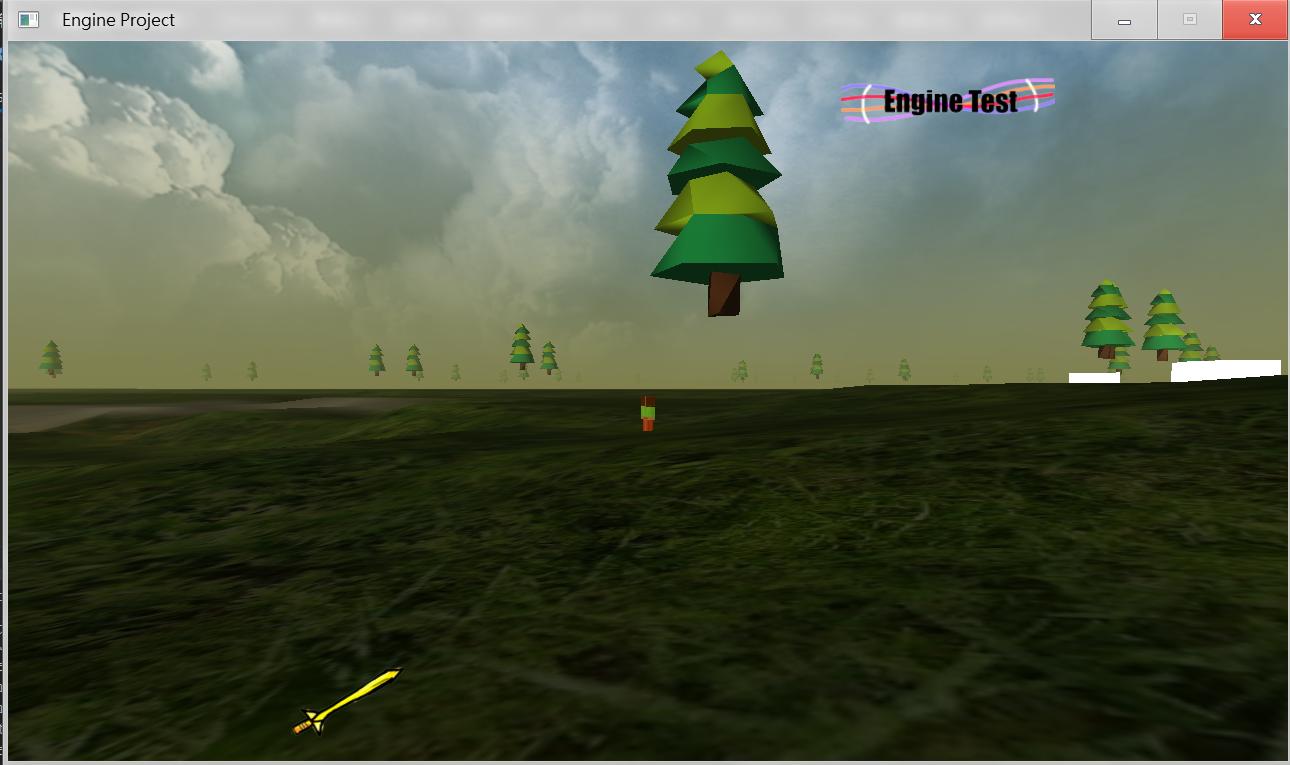
然而,对于我的问题,这不是一个真正的解决方案,所以我不会给我一个答案。
https://stackoverflow.com/questions/40961441
复制相似问题
腾讯云开发者

Copyright © 2013 - 2026 Tencent Cloud. All Rights Reserved. 腾讯云 版权所有
深圳市腾讯计算机系统有限公司 ICP备案/许可证号:粤B2-20090059  粤公网安备44030502008569号
腾讯云计算(北京)有限责任公司 京ICP证150476号 | 京ICP备11018762号