
使用jest在koa中模拟默认的中间件功能。
我使用的是koa-jwt,而后者又使用jsonwebtoken。以下是我的路由器实现:
index.ts
const jwt = require('koa-jwt');
...
// some other code
...

export const publicEndpoints = ['/', '/openapi.json', '/healthcheck'];

export default new Router<ApplicationState, ApplicationContext>()
  .use(configure)
  .use((ctx,next) => {
    console.log("REACH 02 opts",ctx,next);
    console.log("REACH 02 jwt", jwt);
  })
  .use(
    jwt({
      secret: customSecretLoader,
      audience: (jwksConfig.audience as unknown) as string,
      algorithms: ['RS256'],
    }).unless({ path: publicEndpoints })
  )
  // Public endpoints
  .use('/openapi.json', swagger)
  .use('/', helloworld)
  .use('/healthcheck', healthcheck)

  // Secure endpoints
  .get('/secure', helloworld)
.middleware();调用/secure应该通过调用jwt并传递令牌的中间件。
我希望测试每一条安全路由,以确保它不会传递任何没有正确令牌的请求,并传递那些没有正确令牌的请求。
以前的情况很简单,我只需要打电话给一条安全的路线:
index.test.ts
  it('Unauthenticated secure request returns 401', async () => {
    const response = await request(server).get('/secure');
    expect(response.status).toEqual(401);
});但是,为了使它正常工作,我需要模拟jwt()函数调用并让它返回200,但是问题是,不管我在测试中写了什么,我仍然调用koa-jwt的原始实现。
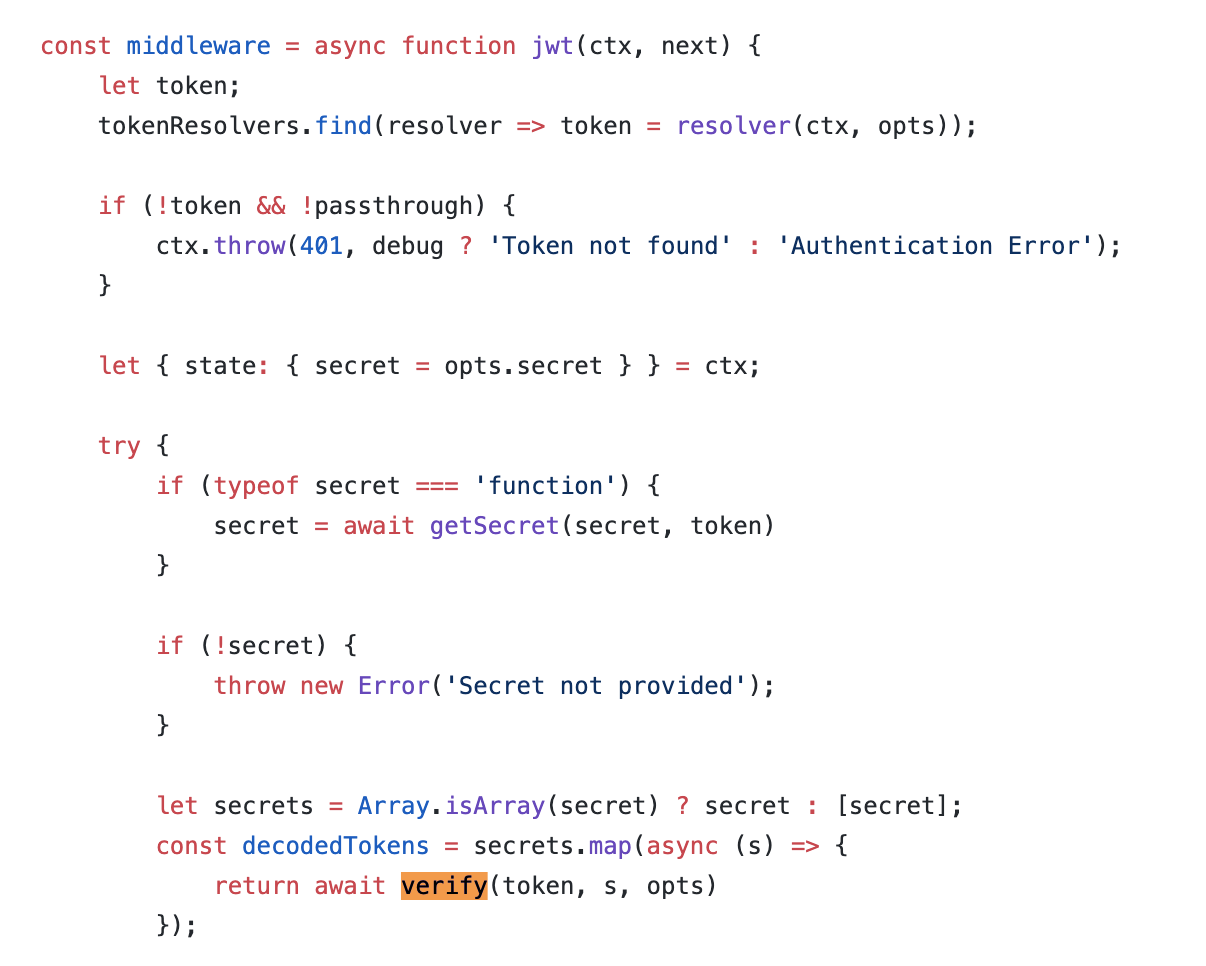
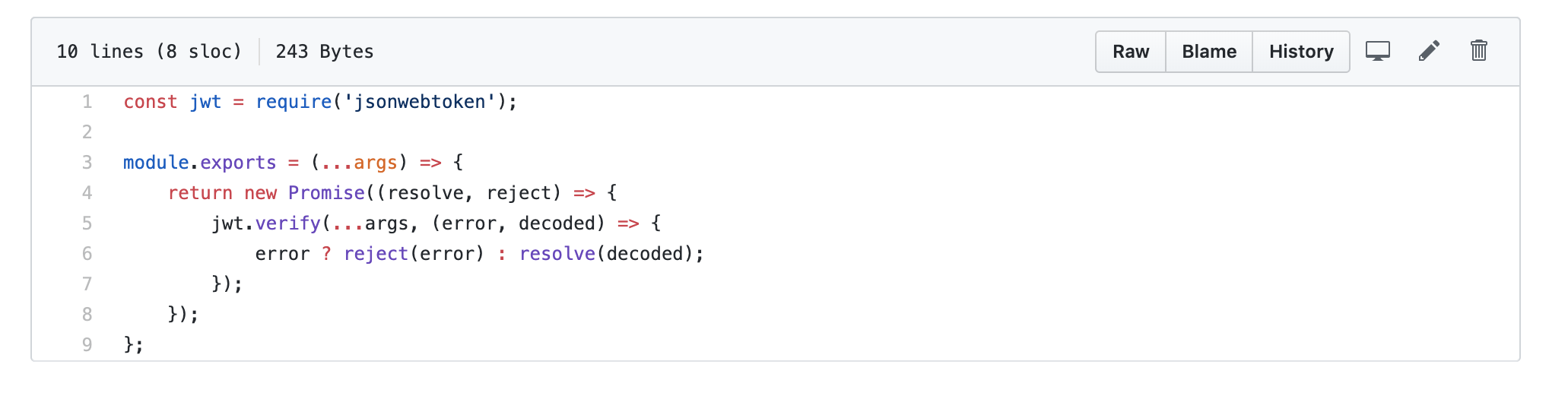
*为了有一些上下文,这是我正在尝试模拟的koa-js库https://github.com/koajs/jwt/blob/master/lib/index.js。它返回middleware(),它调用verify,而后者又使用jsonwebtoken
模拟整个导出的函数
index.test.ts
`var jwt = require('koa-jwt');`

...
// some code
...

  it('Authenticated secure request returns 200', async () => {

    jwt = jest.fn(() => {
      Promise.resolve({
        status: 200,
        success: 'Token is valid'
      });
    });

    console.log("REACH 01 jwt", jwt);

    const response = await request(server).get('/secure');
    console.log("REACH RESPONSE",response);
    expect(response.status).toEqual(200);
  });
我从控制台日志中获得的输出是:
REACH 01 jwt function mockConstructor() {
        return fn.apply(this, arguments);
}这正是我所期望的,但是当jwt()在index.ts中被击中时,我得到的输出是:
    REACH 02 jwt (opts = {}) => {
        const { debug, getToken, isRevoked, key = 'user', passthrough, tokenKey } = opts;
        const tokenResolvers = [resolveCookies, resolveAuthHeader];

        if (getToken && typeof getToken === 'function') {
            tokenResolvers.unshift(getToken);
        }

        const middleware = async function jwt(ctx, next) {
            let token;
            tokenResolvers.find(resolver => token = resolver(ctx, opts));
.....我希望在模拟了koa-jwt之后,我会在两个控制台日志中看到相同的输出。
我尝试了几种不同的方法,给出了相同的结果:-在koa-js中模拟导出的默认函数中的中间件函数--模拟koa-js的依赖关系,即jsonwebtoken。
我遗漏了什么?
回答 1
Stack Overflow用户
发布于 2019-05-06 05:30:00
解决方案是在测试的外部模拟整个模块:
import....

// some other code

jest.mock('koa-jwt', () => {
  const fn = jest.fn((opts) => // 1st level i.e. jwt()
  {
    const middlewareMock = jest.fn(async (ctx, next) => { // 2nd level i.e. middleware()
      // Unreachable
    });
    // @ts-ignore
    middlewareMock.unless = jest.fn(() => jest.fn((ctx, next) => {
      next();
    })); // 4th level i.e. middleware().unless()
    return middlewareMock;
  });
  return fn;
});

...

describe('routes: index', () => {
  // Testing each secure endpoint with authentication
  it('Authenticated requests to secure endpoints return 200', async () => {
    secureEndpoints.forEach(async (endpoint) => {
      const response = await request(server).get(endpoint);
      expect(response.status).toEqual(200);
    });
  });
});https://stackoverflow.com/questions/55997485
复制相似问题
腾讯云开发者

Copyright © 2013 - 2026 Tencent Cloud. All Rights Reserved. 腾讯云 版权所有
深圳市腾讯计算机系统有限公司 ICP备案/许可证号:粤B2-20090059  粤公网安备44030502008569号
腾讯云计算(北京)有限责任公司 京ICP证150476号 | 京ICP备11018762号