
带规则的数字识别
我希望从图像中提取和识别数字。我读过很多关于数字识别的文章,但是没有找到任何关于添加规则来选择我们感兴趣的数字的内容。
规则将是“相当简单的”,例如,我只想提取被蓝色钢笔包围的数字。
不是在这里等待完整的解决方案,而是更多的研究轴或链接到类似的问题。
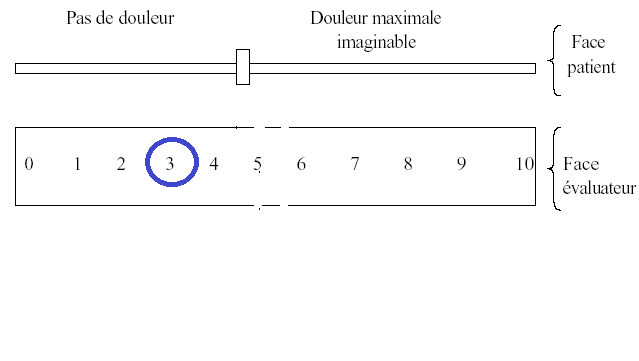
我非常熟悉神经网络,并打算在这方面使用神经网络。但我看不出如何只过滤掉被包围的数字。
这是一张照片的样本。在图片上显示相同的架构,但几次。
回答 2
Stack Overflow用户
发布于 2019-01-14 22:51:41
我想你有三种操作方式。也许你不需要走那么远!就目前而言,我们只会寻找哪一个被选中。
案例1:,您可以尝试对圆圈使用hough变换来查找图像中的圆圈。
% Solution 1 (practically a perfect cicle, use hough circle transform to find circles)
im = imread('https://i.stack.imgur.com/L7cE1.png');
[centers, radii, metric] = imfindcircles(im, [10, 60]);
imshow(im); viscircles(centers, radii,'EdgeColor','r');案例2:,您可以在蓝色的空间中工作,并消除消色差的颜色来分割您感兴趣的区域(如果添加边距,您可以正确地工作)。
% Solution 2 (ALWAYS is blue, read only rgB channel and delete achromatic)
b = im(:, :, 3) & (std(double(im(:, :, :)), [], 3) > 5);
bw = imfill(b,'holes');
stats = regionprops('table', bw, 'Centroid', 'MajorAxisLength','MinorAxisLength')
imshow(im); viscircles(stats.Centroid, stats.MajorAxisLength / 2,'EdgeColor','r');
案例3: --您可以生成一个数据集以及正案例和其他负案例。训练一个具有10个输出的神经网络,如果有或没有划出(乙状结肠输出),每一个输出都表示输出。这种类型的模型的好处是以后不应该做OCR。
import keras
from keras.layers import *
from keras.models import Model
from keras.losses import mean_squared_error
from keras.applications.mobilenet import MobileNet
def model():
    WIDTH, HEIGHT = 128, 128
    mobile_input = Input(shape=(WIDTH, HEIGHT, 3))
    alpha = 0.25 # 0.25, 0.5, 1
    shape = (1, 1, int(1024 * alpha))
    dropout = 0.1
    input_ = Input(shape=(WIDTH, HEIGHT, 3))
    mobile_model = MobileNet(input_shape=(WIDTH, HEIGHT, 3),
                             alpha= alpha,
                             include_top=False,
                             dropout = dropout,
                             pooling='avg')
    base_model = mobile_model(mobile_input)
    x = Reshape(shape, name='reshape_1')(base_model)
    x_gen = Dropout(dropout, name='dropout')(x)
    x = Conv2D(10, (1, 1), padding='same')(x_gen)
    x = Activation('sigmoid')(x)
    output_detection = Reshape((10,), name='output_mark_detection')(x)

    """x = Conv2D(2 * 10, (1, 1), padding='same')(x_gen)
    x = Activation('sigmoid')(x)
    output_position = Reshape((2 * 10, ), name='output_mark_position')(x)
    output = Concatenate(axis=-1)([output_detection, output_position])
    """

    model = Model(name="mark_net", inputs=mobile_input, outputs=output_detection)
这取决于你的问题,第一个案例可以为你服务。如果有不同的照明、旋转、缩放等条件,我建议你直接使用神经网络,你可以创建许多“人工”的例子:
- 您可以通过添加扭曲的圆来生成人工数据集(采用普通圆,应用随机仿射变换,添加噪声,稍微改变蓝色、线条等)。
- 然后将随机圆粘贴到每个数字中,并生成数据集,指示标记了哪些数字。
- 一旦“卡在纸上”,您可以再次应用数据增强,以使它看起来更真实。
Stack Overflow用户
发布于 2019-01-14 11:12:51
你可以把这个问题分解成两个简单的子问题:你可以训练第一个神经网络来识别圆圈并将它们隔离开来。一旦你这样做了,你就可以训练第二个神经网络来识别你所隔离的部分中的数字。希望这能有所帮助。
https://stackoverflow.com/questions/54178246
复制相似问题
腾讯云开发者

Copyright © 2013 - 2026 Tencent Cloud. All Rights Reserved. 腾讯云 版权所有
深圳市腾讯计算机系统有限公司 ICP备案/许可证号:粤B2-20090059  粤公网安备44030502008569号
腾讯云计算(北京)有限责任公司 京ICP证150476号 | 京ICP备11018762号