
使用值二进制搜索树返回特定节点的深度。
使用值二进制搜索树返回特定节点的深度。
提问于 2017-04-12 01:49:39
我的问题是让我返回树中有value的节点的深度。
例如,如果我执行了depth(root, 7, 0 [depth initially]),它应该返回2。
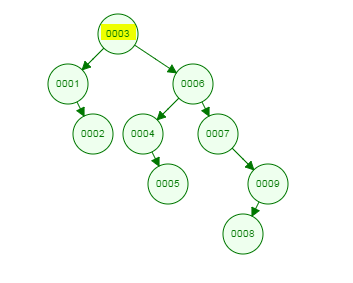
我的第一次尝试,我做了这样的事情
# value is the value wanted, count measures the 'depth'

def depth(root, value, count):

    # if we are not at a empty node
    if root != None:
        # if we found our data, then just return the count (depth)
        if root.data == value:
            return count


        # otherwise increase count, and traverse both sides
        else:
            count += 1
            count = depth(root.left, value, count)
            count = depth(root.right, value, count)


    return count
当我运行这个时,我得到了纵深= 6,我不知道为什么
回答 2
Stack Overflow用户
回答已采纳
发布于 2017-04-12 01:59:10
在你的分支的第二部分,当你应该回来的时候,你不会回来。
假设您没有在root中找到目标值。然后将计数设置为左侧搜索的结果。然后将计数设置为左侧搜索的结果(再次)。
您从不正确地搜索,并且返回计数是否找到目标(在从if中掉下来之后)。
更好的办法是:
if you match the target:
    return count
else:
    search on the left side.
    if that is not None, return it.
    search on the right side.
regardless of whether it's None or not, return it.现在,您的返回值将是None,意思是“无法找到目标”,或者在找到目标时为count。
Stack Overflow用户
发布于 2017-04-12 02:08:02
为什么count正在下降,而您可以在返回的过程中使用count:
def depth(root, value):
    # if we are at a empty node return infinity
    if not root:
        return float('inf')

    # if we found our data, then just return 0
    if root.data == value:
        return 0
    # otherwise traverse both sides
return 1 + min(depth(root.left, value), depth(root.right, value))为了摆脱min(),您可以将return None作为您的终端案例,然后实现检查,但它是丑陋的,而且不是惯用的:
def depth(root, value):
    # if we are at a empty node return None
    if not root:
        return None

    # if we found our data, then just return 0
    if root.data == value:
        return 0

    # otherwise, traverse both sides
    c = depth(root.left, value)
    if c is None:
        c = depth(root.right, value)
        if c is None:
            return None
return c + 1或者将其实现为BFS
def depth(root, value):
    q = [(root, 0)]
    while q:
        node, depth = q.pop(0)
        if node.data == value:
            return depth
        depth += 1
        if node.left:
            q.append((node.left, depth))
        if node.right:
            q.append((node.right, depth))
return None页面原文内容由Stack Overflow提供。腾讯云小微IT领域专用引擎提供翻译支持
原文链接:
https://stackoverflow.com/questions/43358902
复制相关文章
相似问题
腾讯云开发者

Copyright © 2013 - 2026 Tencent Cloud. All Rights Reserved. 腾讯云 版权所有
深圳市腾讯计算机系统有限公司 ICP备案/许可证号:粤B2-20090059  粤公网安备44030502008569号
腾讯云计算(北京)有限责任公司 京ICP证150476号 | 京ICP备11018762号