
在景观上打开应用程序时,新创建的UIWindow是横向的
在景观上打开应用程序时,新创建的UIWindow是横向的
提问于 2015-07-21 13:21:22
我有一个iPad应用程序,在这个应用程序的开头创建一个新的UIWindow,并在做一些资源同步时显示它。当这款应用在iPad面向人像的时候发布时,一切都很好。然而,在面向景观时,新创建的UIWindow's大小看起来很好,但是它看起来是横向的,并且它的坐标看起来都很奇怪。以下是人像和景观方向的截图:
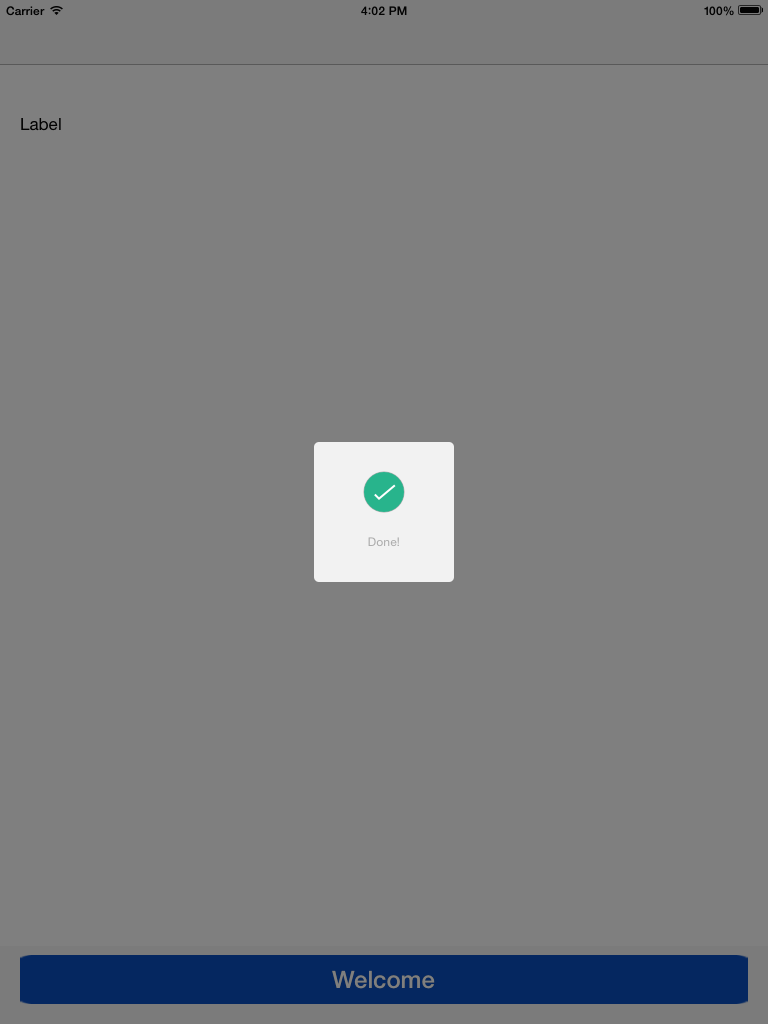
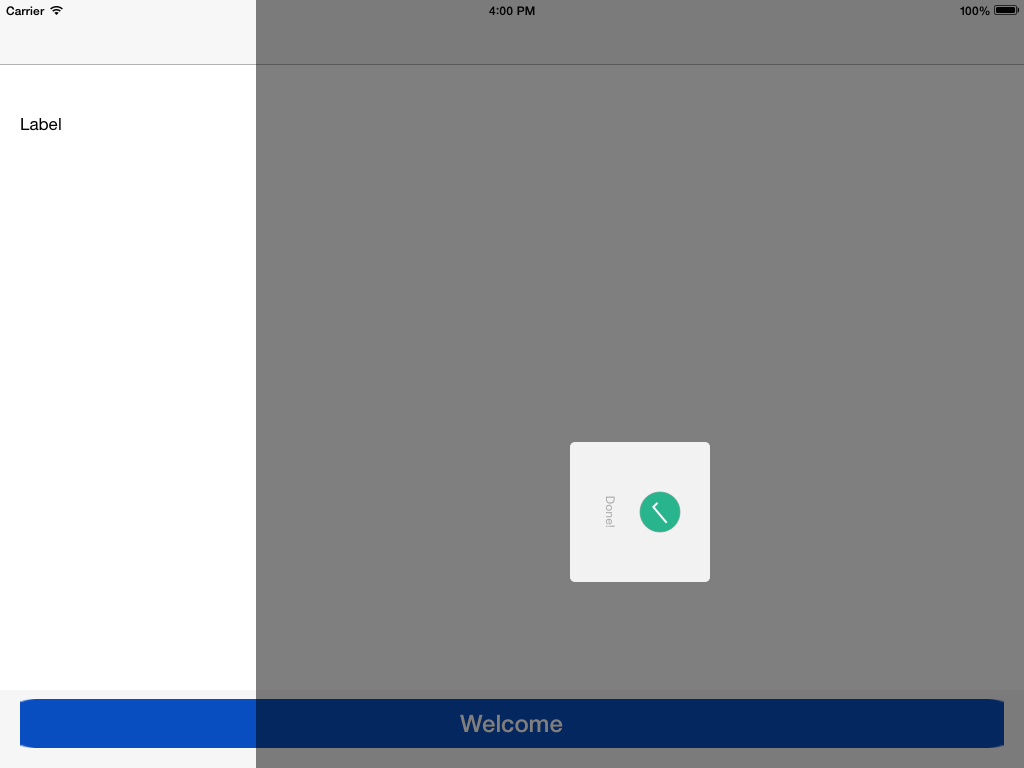
景观一次是通过旋转一次得到的。
我创建和显示UIWindow的代码如下所示:
UIWindow *window=[UIApplication sharedApplication].keyWindow;
self.progressWindow = [[UIWindow alloc] initWithFrame:window.frame];
self.progressWindow.backgroundColor = [UIColor colorWithRed:0.0f green:0.0f blue:0.0f alpha:0.5f];
self.progressWindow.windowLevel = UIWindowLevelAlert;

/* some other code to create the subviews */

[self.progressWindow makeKeyAndVisible];
此问题仅发生在iOS 8上。
回答 2
Stack Overflow用户
回答已采纳
发布于 2015-07-22 07:48:13
据我所知,新创建的UIWindow不会在方向改变时自动旋转。我不知道这对于iOS 8来说是新的还是错误,但是我能够用下面的代码来克服这个问题:
UIWindow *window=[UIApplication sharedApplication].keyWindow;
self.progressWindow = [[UIWindow alloc] initWithFrame:window.frame];
self.progressWindow.backgroundColor = [UIColor colorWithRed:0.0f green:0.0f blue:0.0f alpha:0.5f];
self.progressWindow.windowLevel = UIWindowLevelAlert;

/* some other code to create the subviews */

[self handleOrientationChange];
[self.progressWindow makeKeyAndVisible];

[[NSNotificationCenter defaultCenter] addObserver:self selector:@selector(handleOrientationChange) name:UIApplicationDidChangeStatusBarFrameNotification object:nil];
handleOrientationChange的实现如下:
#define DegreesToRadians(degrees) (degrees * M_PI / 180)

- (void)handleOrientationChange
{
    if (self.progressWindow)
    {
        // rotate the UIWindow manually
        UIInterfaceOrientation orientation = [[UIApplication sharedApplication] statusBarOrientation];
        [self.progressWindow setTransform:[self transformForOrientation:orientation]];

        // resize the UIWindow according to the new screen size
        if ([[UIScreen mainScreen] respondsToSelector:@selector(nativeBounds)])
        {
            // iOS 8
            CGRect screenRect = [UIScreen mainScreen].nativeBounds;
            CGRect progressWindowFrame = self.progressWindow.frame;
            progressWindowFrame.origin.x = 0;
            progressWindowFrame.origin.y = 0;
            progressWindowFrame.size.width = screenRect.size.width / [UIScreen mainScreen].nativeScale;
            progressWindowFrame.size.height = screenRect.size.height / [UIScreen mainScreen].nativeScale;
            self.progressWindow.frame = progressWindowFrame;
        }
        else
        {
            // iOs 7 or below
            CGRect screenRect = [UIScreen mainScreen].bounds;
            CGRect progressWindowFrame = self.progressWindow.frame;
            progressWindowFrame.origin.x = 0;
            progressWindowFrame.origin.y = 0;
            progressWindowFrame.size.width = screenRect.size.width;
            progressWindowFrame.size.height = screenRect.size.height;
            self.progressWindow.frame = progressWindowFrame;
        }
    }
}

- (CGAffineTransform)transformForOrientation:(UIInterfaceOrientation)orientation {

    switch (orientation) {

        case UIInterfaceOrientationLandscapeLeft:
            return CGAffineTransformMakeRotation(-DegreesToRadians(90));

        case UIInterfaceOrientationLandscapeRight:
            return CGAffineTransformMakeRotation(DegreesToRadians(90));

        case UIInterfaceOrientationPortraitUpsideDown:
            return CGAffineTransformMakeRotation(DegreesToRadians(180));

        case UIInterfaceOrientationPortrait:
        default:
            return CGAffineTransformMakeRotation(DegreesToRadians(0));
    }
}我是从this问题的公认答案中得出这个想法的。
Stack Overflow用户
发布于 2015-07-21 13:37:11
共享应用程序通过其键窗口属性维护对窗口的引用:
let w = UIApplication.sharedApplication().keyWindow但是,该引用稍微不稳定,因为系统可以创建临时窗口并将它们作为应用程序的关键窗口进行插入。
试一试
[[UIApplication sharedApplication].delegate window]页面原文内容由Stack Overflow提供。腾讯云小微IT领域专用引擎提供翻译支持
原文链接:
https://stackoverflow.com/questions/31540254
复制相关文章
相似问题
腾讯云开发者

Copyright © 2013 - 2026 Tencent Cloud. All Rights Reserved. 腾讯云 版权所有
深圳市腾讯计算机系统有限公司 ICP备案/许可证号:粤B2-20090059  粤公网安备44030502008569号
腾讯云计算(北京)有限责任公司 京ICP证150476号 | 京ICP备11018762号