
使Xero .Net核心OAuth2示例工作
各位专家,
我们需要通过他们最新的OAuth2标准与XERO构建一个集成,其中包含(上面提到的) VS中最新的.NET核心3.1。
在过去的两天里,我一直在GitHub中的现有示例库中大量使用,甚至没有达到任何认证点。--这是我目前陷入困境的地方:让我的应用程序进行身份验证。
我已经直接从GitHub下载了上面的示例,并输入了(至少从我所看到的)唯一需要的两个变量:ClientID和ClientSecret (进入appsettings.json)。该应用程序还在Xero的MyApps下注册,并具有正确的ClientID和ClientSecret。
我的环境非常简单,就像他们在示例应用程序中假设的那样:从localhost:5000运行这个程序,并在您的MyApps下用Xero注册相同的环境。但是,他们说,注册您的OAuth2重定向URLS为
.NET核心似乎不喜欢这样,所以我把它们作为
因此,当我运行它时,我会看到已经在视图中声明的标准2 Xero按钮(SignUp & SignIn)。
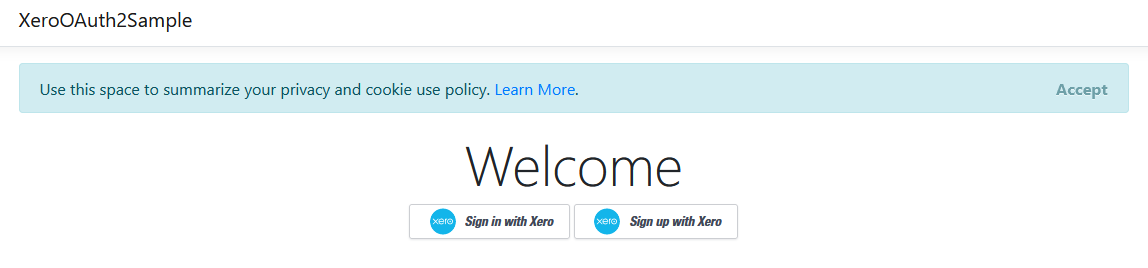
单击SignIn Xero按钮,应该会触发:
    [HttpGet]
    [Route("signin")]
    [Authorize(AuthenticationSchemes = "XeroSignIn")]
    public IActionResult SignIn()
    {
        return RedirectToAction("OutstandingInvoices");
}但是没有,(正确地说),因为我的用户身份还没有被验证。这(根据Xero的身份验证方案)将我带到Xero的身份端点。(通过邮递员检查)(https://login.xero.com/identity/connect/authorize包含我的ClientID、引用URL和范围为params)
的问题是,我一直得到这样的信息:
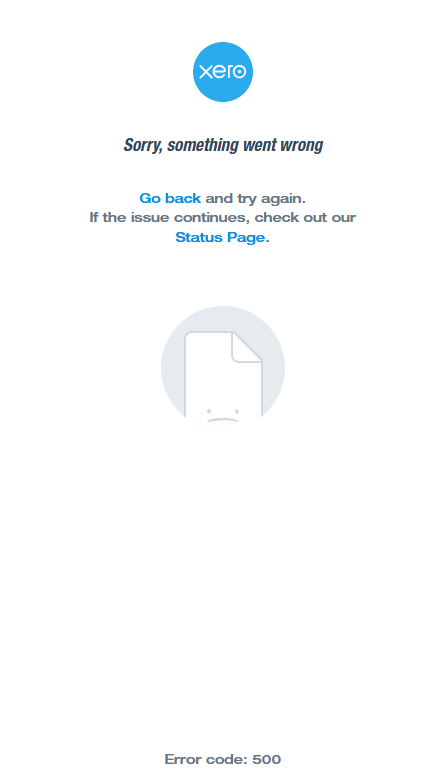
我检查过/尝试过的东西:
- 检查是否检测到我的appsettings.json,并在Startup.cs中请求时正确加载客户端in /秘密
- 将CallbackPath在Startup.cs中更新为"/signin_oidc“
- 变化范围
- 在不同的点将我的clientID & XeroClient注入到XeroClient中,以确保它被持久化。
- 查找所有其他Xero-Api标记的帖子在S.O。
- 多次阅读Xero示例项目自述。
在这个阶段,我应该在Xero的登录页面中显示,要求我登录到我的Xero帐户,然后要求我授权我的应用程序申请的范围,然后重定向回我的应用程序。(至少是第一次)。
在这个阶段有点不知所措,不知我错过了什么。
请参阅Startup.cs
public class Startup
{
    public Startup(IConfiguration configuration)
    {
        Configuration = configuration;
    }

    public IConfiguration Configuration { get; }

    // This method gets called by the runtime. Use this method to add services to the container.
    public void ConfigureServices(IServiceCollection services)
    {
        services.AddHttpClient();

        services.TryAddSingleton(new XeroConfiguration
        {
            ClientId = Configuration["Xero:ClientId"],
            ClientSecret = Configuration["Xero:ClientSecret"]
        });

        services.TryAddSingleton<IXeroClient, XeroClient>();
        services.TryAddSingleton<IAccountingApi, AccountingApi>();
        services.TryAddSingleton<MemoryTokenStore>();

        services.AddAuthentication(options =>
        {
            options.DefaultScheme = CookieAuthenticationDefaults.AuthenticationScheme;
            options.DefaultChallengeScheme = "XeroSignIn";
        })
        .AddCookie(options =>
        {
            options.Cookie.Name = "XeroIdentity";

            // Clean up cookies that don't match in local MemoryTokenStore.
            // In reality you wouldn't need this, as you'd be storing tokens in a real data store somewhere peripheral, so they won't go missing between restarts
            options.Events = new CookieAuthenticationEvents
            {
                OnValidatePrincipal = async context =>
                {
                    var tokenStore = context.HttpContext.RequestServices.GetService<MemoryTokenStore>();
                    var token = await tokenStore.GetAccessTokenAsync(context.Principal.XeroUserId());

                    if (token == null)
                    {
                        context.RejectPrincipal();
                    }
                }
            };
        })
        .AddOpenIdConnect("XeroSignIn", options =>
        {
            options.Authority = "https://identity.xero.com";

            options.ClientId = Configuration["Xero:ClientId"];
            options.ClientSecret = Configuration["Xero:ClientSecret"];

            options.ResponseType = "code";

            options.Scope.Clear();
            options.Scope.Add("openid");
            options.Scope.Add("profile");
            options.Scope.Add("email");

            options.CallbackPath = "/signin_oidc";

            options.Events = new OpenIdConnectEvents
            {
                OnTokenValidated = OnTokenValidated()
            };
        })
        .AddOpenIdConnect("XeroSignUp", options =>
        {
            options.Authority = "https://identity.xero.com";

            options.ClientId = Configuration["Xero:ClientId"];
            options.ClientSecret = Configuration["Xero:ClientSecret"];

            options.ResponseType = "code";

            options.Scope.Clear();
            options.Scope.Add("offline_access");
            options.Scope.Add("openid");
            options.Scope.Add("profile");
            options.Scope.Add("email");
            options.Scope.Add("accounting.settings");
            options.Scope.Add("accounting.transactions");

            options.CallbackPath = "/signin_oidc";

            options.Events = new OpenIdConnectEvents
            {
                OnTokenValidated = OnTokenValidated()
            };
        });

        services.Configure<CookiePolicyOptions>(options =>
        {
            // This lambda determines whether user consent for non-essential cookies is needed for a given request.
            options.CheckConsentNeeded = context => true;
            options.MinimumSameSitePolicy = SameSiteMode.None;
        });

        services.AddMvc().SetCompatibilityVersion(CompatibilityVersion.Version_2_2);
    }

    private static Func<TokenValidatedContext, Task> OnTokenValidated()
    {
        return context =>
        {
            var tokenStore = context.HttpContext.RequestServices.GetService<MemoryTokenStore>();

            var token = new XeroOAuth2Token
            {
                AccessToken = context.TokenEndpointResponse.AccessToken,
                RefreshToken = context.TokenEndpointResponse.RefreshToken,
                ExpiresAtUtc = DateTime.UtcNow.AddSeconds(Convert.ToDouble(context.TokenEndpointResponse.ExpiresIn))
            };

            tokenStore.SetToken(context.Principal.XeroUserId(), token);

            return Task.CompletedTask;
        };
    }

    // This method gets called by the runtime. Use this method to configure the HTTP request pipeline.
    public void Configure(IApplicationBuilder app, IHostingEnvironment env)
    {
        if (env.IsDevelopment())
        {
            app.UseDeveloperExceptionPage();
        }
        else
        {
            app.UseExceptionHandler("/Home/Error");
        }

        app.UseStaticFiles();
        app.UseCookiePolicy();

        app.UseAuthentication();

        app.UseMvc(routes =>
        {
            routes.MapRoute(
                name: "default",
                template: "{controller=Home}/{action=Index}/{id?}");
        });
    }
}
}和HomeController.cs
public class HomeController : Controller
{
    private readonly MemoryTokenStore _tokenStore;
    private readonly IXeroClient _xeroClient;
    private readonly IAccountingApi _accountingApi;

    public HomeController(MemoryTokenStore tokenStore, IXeroClient xeroClient, IAccountingApi accountingApi)
    {
        _tokenStore = tokenStore;
        _xeroClient = xeroClient;
        _accountingApi = accountingApi;
    }

    [HttpGet]
    public IActionResult Index()
    {
        if (User.Identity.IsAuthenticated)
        {
            return RedirectToAction("OutstandingInvoices");
        }

        return View();
    }

    [HttpGet]
    [Authorize]
    public async Task<IActionResult> OutstandingInvoices()
    {
        var token = await _tokenStore.GetAccessTokenAsync(User.XeroUserId());

        var connections = await _xeroClient.GetConnectionsAsync(token);

        if (!connections.Any())
        {
            return RedirectToAction("NoTenants");
        }

        var data = new Dictionary<string, int>();

        foreach (var connection in connections)
        {
            var accessToken = token.AccessToken;
            var tenantId = connection.TenantId.ToString();

            var organisations = await _accountingApi.GetOrganisationsAsync(accessToken, tenantId);
            var organisationName = organisations._Organisations[0].Name;

            var outstandingInvoices = await _accountingApi.GetInvoicesAsync(accessToken, tenantId, statuses: new List<string>{"AUTHORISED"}, where: "Type == \"ACCREC\"");

            data[organisationName] = outstandingInvoices._Invoices.Count;
        }

        var model = new OutstandingInvoicesViewModel
        {
            Name = $"{User.FindFirstValue(ClaimTypes.GivenName)} {User.FindFirstValue(ClaimTypes.Surname)}",
            Data = data
        };

        return View(model);
    }

    [HttpGet]
    [Authorize]
    public IActionResult NoTenants()
    {
        return View();
    }

    [HttpGet]
    public async Task<IActionResult> AddConnection()
    {
        // Signing out of this client app allows the user to be taken through the Xero Identity connection flow again, allowing more organisations to be connected
        // The user will not need to log in again because they're only signed out of our app, not Xero.
        await HttpContext.SignOutAsync();

        return RedirectToAction("SignUp");
    }

    [HttpGet]
    [Route("signup")]
    [Authorize(AuthenticationSchemes = "XeroSignUp")]
    public IActionResult SignUp()
    {
        return RedirectToAction("OutstandingInvoices");
    }

    [HttpGet]
    [Route("signin")]
    [Authorize(AuthenticationSchemes = "XeroSignIn")]
    public IActionResult SignIn()
    {
        return RedirectToAction("OutstandingInvoices");
    }

    [ResponseCache(Duration = 0, Location = ResponseCacheLocation.None, NoStore = true)]
    public IActionResult Error()
    {
        return View(new ErrorViewModel { RequestId = Activity.Current?.Id ?? HttpContext.TraceIdentifier });
    }

    [HttpPost]
    [Route("signin_oidc")]
    public IActionResult signin_oidc()
    {
        return RedirectToAction("OutstandingInvoices");
    }
}
任何建议都将不胜感激!
回答 1
Stack Overflow用户
发布于 2020-02-20 21:44:45
在示例中,有两个不同的auth方案,在示例中使用两个不同的回调urls;一个以signin-oidc结尾,另一个以注册-oidc结尾。
您需要确保为示例注册两个回调urls才能完整工作,正如您已经发现的,开发人员门户和代码中的需求完全相同,特别要注意确保运行的示例和注册的回调urls之间的端口是相同的。
https://stackoverflow.com/questions/60299507
复制相似问题
腾讯云开发者

Copyright © 2013 - 2026 Tencent Cloud. All Rights Reserved. 腾讯云 版权所有
深圳市腾讯计算机系统有限公司 ICP备案/许可证号:粤B2-20090059  粤公网安备44030502008569号
腾讯云计算(北京)有限责任公司 京ICP证150476号 | 京ICP备11018762号