
我们如何能够访问Vuex模块文件中的vuex存储实例-装饰器+ Nuxt TypeScript?
有许多可以构造模块的方法。 vuex模块-装潢师官方自述 是最流行的方法之一,它是vuex模块装饰器。 Nuxt TypeScript正式文档
那么,至少有两种方法被引入了?这些文档只介绍了一种方法,而大多数文章都提到了它。
官方方法清单
~/存储/索引
import { Store } from 'vuex'
import { initialiseStores } from '~/utils/store-accessor'
const initializer = (store: Store<any>) => initialiseStores(store)
export const plugins = [initializer]
export * from '~/utils/store-accessor'
~/utils/store-accessor.ts .
import { Store } from 'vuex'
import { getModule } from 'vuex-module-decorators'
import example from '~/store/example'

let exampleStore: example

function initialiseStores(store: Store<any>): void {
  exampleStore = getModule(example, store)
}

export { initialiseStores, exampleStore }
为什么我不接受
- 我不明白我们在做什么。虽然代码量很小,但是有很多不明显的事情。例如:为什么我们需要定义
plugins常量?我们为什么要出口?我们是如何在哪里使用这种出口的? - 我不明白为什么我们需要杂技,比如。如果有其他方法,它必须是更直观的解决方案。
- 我不明白为什么我们要遵循这种方法,而不是其他。
- 还不够安全。“‘any”已经被使用过了。
我想做什么
如果可能的话,我想像往常一样使用“vuex模块-装饰器”,或者,至少要了解发生了什么,并开发出更干净的解决方案。
在“vuex模块-装饰器”中,动态模块的标准用法是:
import store from "@store";
import { Module, VuexModule } from "vuex-module-decorators";

@Module({
  name: "PRODUCTS_MANAGER",
  dynamic: true,
  namespaced: true,
  store
})
class ProductsManagerStoreModule extends VuexModule {}
但是我们如何在Nuxt TypeScript应用程序中获得TypeScript实例呢?Nuxt从我们那里取出vuex商店(和路由和webpack控制一样),使开发变得简单,但这是相反的效果。
试着像往常一样使用vuex商店
它很有趣,但它在开发环境中工作,但在生产中不起作用。
store/index.ts
import Vuex, { Store } from "vuex";


export const store: Store<unknown> = new Vuex.Store({});


export default store;
pages/index.vue
import { Component, Vue } from "nuxt-property-decorator"
import { getModule } from "nuxt-property-decorator";
import TestStoreModule from "./../Store/TestStoreModule";


@Component
export default class extends Vue {

  private readonly title: string = "It Works!";

  private mounted(): void {
    console.log("=========");
    console.log(getModule(TestStoreModule).currentCount);
  }
}
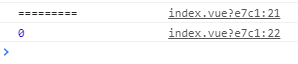
store/TestStoreModule.ts
import { Module, VuexModule, Mutation } from "vuex-module-decorators";
import store from "./index";

@Module({
  name: "TestStoreModule",
  namespaced: true,
  dynamic: true,
  store
})
export default class TestStoreModule extends VuexModule {

  private count: number = 0


  @Mutation
  public increment(delta: number): void {
    this.count += delta
  }
  @Mutation
  public decrement(delta: number): void {
    this.count -= delta
  }

  public get currentCount(): number {
    return this.count;
  }
}
但是,在生产生成之后,我在控制台中显示的错误如下:
ERROR [nuxt] store/index.ts should export a method that returns a Vuex instance. 处于上述状态的应用程序(GitHub存储库) (项目结构有点不同,对不起)。
有人告诉我,我试着把它修好。现在,store/index.ts是:
// config.rawError = true;
/* 〔 see 〕 https://develop365.gitlab.io/nuxtjs-2.1.0-doc/pt-BR/guide/vuex-store/ */
export default function createStore(): Store<unknown> {
  return new Vuex.Store({});
}TestStoreModule现在不能引用store (如果可以,怎么办?)
@Module({
  name: "TestStoreModule",
  namespaced: true,
  stateFactory: true
})
export default class TestStoreModule extends VuexModule { /* ... */ }
在组件中,尝试访问存储模块如下:
console.log(getModule(TestStoreModule, this.$store).currentCount);产出如下:

好像是“这个”问题。如果我们输出console.log(getModule(TestStoreModule, this.$store));并从Chrome控制台调用currentCount:

我们得到错误:
Exception: TypeError: Cannot read property 'count' of undefined at Object.get
(webpack-internal:///./node_modules/vuex-module-decorators/dist/esm/index.js:165:36)
at Object.r (<anonymous>:1:83)回答 2
Stack Overflow用户
发布于 2021-07-24 05:32:58
当我问这个问题时,我不知道在Nuxt中可以像在普通Vue应用程序中那样使用动态模块。动态模块提供了最干净的语法,并使效果类似于每个模块是独立的。不需要像store-accessor.ts这样的黑客;不需要收集所有模块都是单一目录。这个方法是我的选择和推荐。
问题带有NuxtJS和vuex模块装饰器的动态vuex存储模块涵盖了Nuxt的vuex-module-decorators设置。
这样,在回答当前问题时,在store/index.ts中我们可以创建存储实例,导入它并在每个动态模块中使用:
import Vue from "vue";
import Vuex, { Store } from "vuex";


Vue.use(Vuex);

export const store: Store<unknown> = new Vuex.Store<unknown>({});https://stackoverflow.com/questions/67188647
复制相似问题
腾讯云开发者

Copyright © 2013 - 2026 Tencent Cloud. All Rights Reserved. 腾讯云 版权所有
深圳市腾讯计算机系统有限公司 ICP备案/许可证号:粤B2-20090059  粤公网安备44030502008569号
腾讯云计算(北京)有限责任公司 京ICP证150476号 | 京ICP备11018762号