
基于SpringBoot映射的国际化与本地化
基于SpringBoot映射的国际化与本地化
提问于 2022-09-20 10:04:15
我在我的项目中实现国际化和本地化,其中区域设置是基于语言的URL映射,例如,/en、/ja和/fr。我花了一整天的时间浏览答案,但我读到的大多数答案都是使用LocaleChangeInterceptor setter方法setParamName("lang")。在截取参数lang时,基本上更改区域设置:
http://localhost:8081/index?lang=fr我想在像http://localhost:8081/index/en这样的URL映射中改变地区
目前的配置:
@Configuration
public class MessageConfig implements WebMvcConfigurer {

    @Bean
    public LocaleResolver localeResolver() {
        SessionLocaleResolver slr = new SessionLocaleResolver();
        slr.setDefaultLocale(Locale.JAPAN);
        slr.setLocaleAttributeName("session.current.locale");
        slr.setTimeZoneAttributeName("session.current.timezone");
        return slr;
    }

    @Bean
    public LocaleChangeInterceptor localChangeInterceptor() {
        LocaleChangeInterceptor localeChangeInterceptor = new LocaleChangeInterceptor();
        localeChangeInterceptor.setParamName("lang");
        return localeChangeInterceptor;
    }

    @Override
    public void addInterceptors(InterceptorRegistry registry) {
        registry.addInterceptor(localChangeInterceptor());
    }

    @Bean
    public MessageSource messageSource() {
        ResourceBundleMessageSource messageSource = new ResourceBundleMessageSource();
        messageSource.setBasenames("language/messages");
        messageSource.setDefaultEncoding("UTF-8");
        return messageSource;
    }
}
资源:
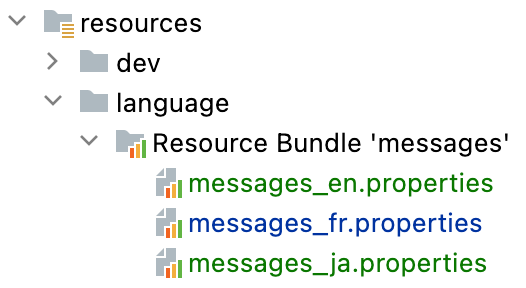
回答 1
Stack Overflow用户
发布于 2022-09-28 06:54:11
我现在回答我的问题。多亏了先生。
首先,我编写了自己的拦截器,在发送到控制器之前扫描URL模式:
@Component
public class UrlLocaleInterceptor implements HandlerInterceptor {
    protected final Log logger = LogFactory.getLog(this.getClass());

    @Override
    public boolean preHandle(HttpServletRequest request, HttpServletResponse response, Object handler) {
        String[] tokens = request.getRequestURI().trim().split("/");

        try {
            String newLocale = tokens[1];

            if (newLocale != null) {
                LocaleResolver localeResolver = RequestContextUtils.getLocaleResolver(request);

                if (localeResolver == null) {
                    throw new IllegalStateException("No LocaleResolver found: not in a DispatcherServlet request?");
                }

                if (Languages.getNames().contains(newLocale)) {
                    localeResolver.setLocale(request, response, parseLocaleValue(newLocale));
                } else {
                    localeResolver.setLocale(request, response, parseLocaleValue("ja"));
                }
            }
        } catch (Exception e) {
            logger.error(e);
        }

        return true;
    }

    @Nullable
    protected Locale parseLocaleValue(String localeValue) {
        return StringUtils.parseLocale(localeValue);
    }
}第二。通过构造函数注入初始化UrlLocaleInterceptor实例,然后将其注册到InterceptorRegistry
@Configuration
public class MessageConfig implements WebMvcConfigurer {
    private final UrlLocaleInterceptor urlInterceptor;

    @Autowired
    public MessageConfig(UrlLocaleInterceptor urlInterceptor) {
        this.urlInterceptor = urlInterceptor;
    }

    @Bean
    public LocaleResolver localeResolver() {
        SessionLocaleResolver slr = new SessionLocaleResolver();
        slr.setDefaultLocale(new Locale("ja"));
        slr.setLocaleAttributeName("session.current.locale");
        slr.setTimeZoneAttributeName("session.current.timezone");
        return slr;
    }

    @Override
    public void addInterceptors(InterceptorRegistry registry) {
        registry.addInterceptor(urlInterceptor);
    }

    @Bean
    public MessageSource messageSource() {
        ResourceBundleMessageSource messageSource = new ResourceBundleMessageSource();
        messageSource.setBasenames("language/messages");
        messageSource.setDefaultEncoding("UTF-8");
        return messageSource;
    }
}第三。我定义Language枚举来枚举应用程序支持的语言。方法getNames()由preHandle()从UrlLocaleInterceptor调用。
public enum Languages {
    en, ja;

    public static Set<String> getNames() {
        return Arrays.stream(Languages.values())
                .map(Enum::name)
                .collect(Collectors.toSet());
    }
}第四。我向控制器添加了一个路径变量{lang}。
@Controller
@RequestMapping("/{lang}")
public class CustomerController {
    @GetMapping("/")
    public String root() {
        return "index";
    }
}页面原文内容由Stack Overflow提供。腾讯云小微IT领域专用引擎提供翻译支持
原文链接:
https://stackoverflow.com/questions/73784958
复制相关文章
相似问题
腾讯云开发者

Copyright © 2013 - 2026 Tencent Cloud. All Rights Reserved. 腾讯云 版权所有
深圳市腾讯计算机系统有限公司 ICP备案/许可证号:粤B2-20090059  粤公网安备44030502008569号
腾讯云计算(北京)有限责任公司 京ICP证150476号 | 京ICP备11018762号