Java外功精要(6)——Spring事务及其传播机制

Java外功精要(6)——Spring事务及其传播机制

用户11873138
发布于 2026-01-13 21:44:11
发布于 2026-01-13 21:44:11
1.概述
Spring事务管理是Spring框架中用于确保数据库操作 原子性、一致性、隔离性和持久性(ACID) 的核心机制。它通过声明式或编程式(本文略)方式管理事务,支持多种事务传播行为和隔离级别
- 相较于编程式事务,声明式事务通过
@Transactional注解实现事务管理,无需手动编写事务代码 - 事务基本概念在全面解析MySQL(5)——“索引、事务、JDBC”三大核心一文中有介绍,本文不再赘述
2.@Transactional
作用:提供声明式事务管理。它简化了在应用程序中管理数据库事务的流程。开发者只需在方法或类上添加此注解,Spring框架就会自动处理事务的开启、提交和回滚,无需手动编写事务管理代码(如 begin、commit、rollback)级别:类 + 方法
- 作为类注解:为类中所有public方法添加注解
- 作为方法注解:默认仅对public方法生效
@RequestMapping("/test")
@RestController
@Slf4j
public class TestController {
    private final UserService userService;

    @Autowired
    public TestController(UserService userService) {
        this.userService = userService;
    }

    @Transactional
    @RequestMapping("/test1")
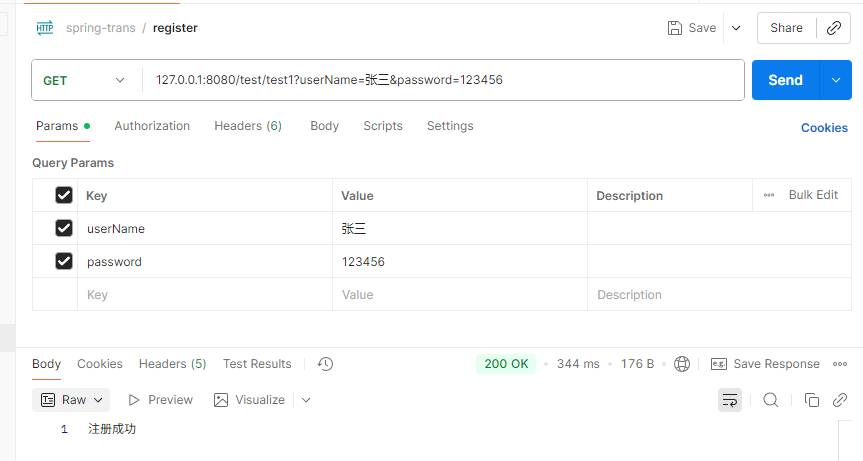
    public String test1(String userName,String password) {
        UserInfo userInfo = new UserInfo();
        userInfo.setUserName(userName);
        userInfo.setPassword(password);
        Integer result = userService.register(userInfo);
        if (result == 1){
            log.info("test1注册成功,userName:{},password:{}", userName, password);
        }
        return "注册成功";
    }
}
使用PostMan向后端发送请求:
在这里插入图片描述
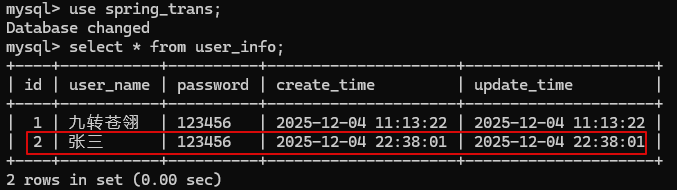
MySQL查询结果如下:
在这里插入图片描述
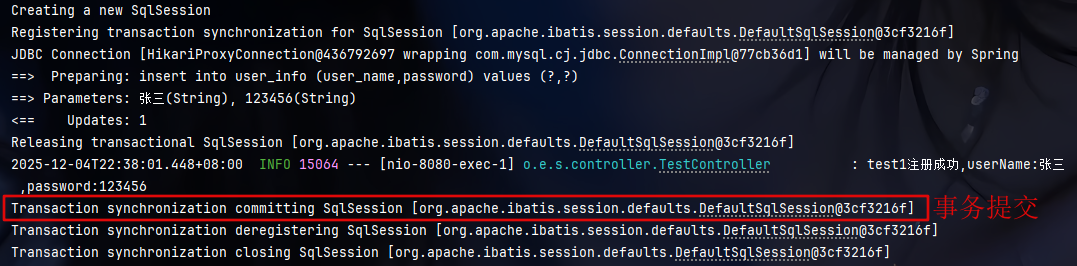
后端日志日志如下:
在这里插入图片描述
2.1 rollbackfor
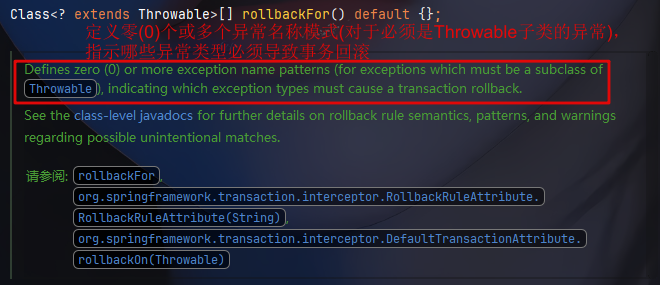
作用:指定哪些异常触发回滚,默认情况下在抛出 非受查异常(RuntimeException)/错误(Error) 时触发回滚
在这里插入图片描述
抛出受查异常时
@RequestMapping("/test")
@RestController
@Slf4j
public class TestController {
    private final UserService userService;

    @Autowired
    public TestController(UserService userService) {
        this.userService = userService;
    }

    @Transactional
    @RequestMapping("/test2")
    public String test2(String userName,String password) throws IOException {
        UserInfo userInfo = new UserInfo();
        userInfo.setUserName(userName);
        userInfo.setPassword(password);
        Integer result = userService.register(userInfo);
        if (result == 1){
            log.info("test2注册成功,userName:{},password:{}", userName, password);
            throw new IOException();
        }
        return "注册成功";
    }
}
使用PostMan向后端发送请求:
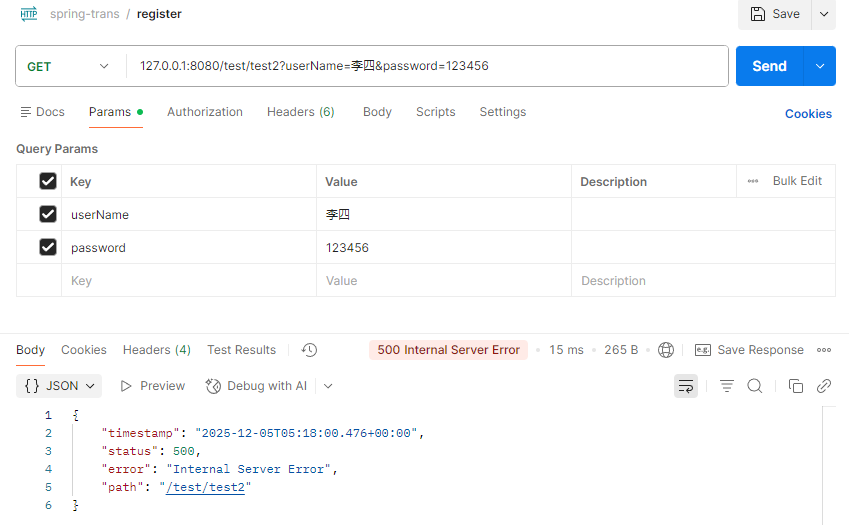
在这里插入图片描述
MySQL查询结果如下:
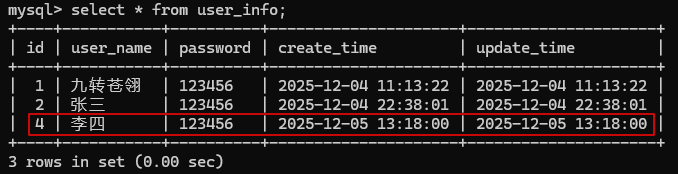
在这里插入图片描述
后端日志日志如下:
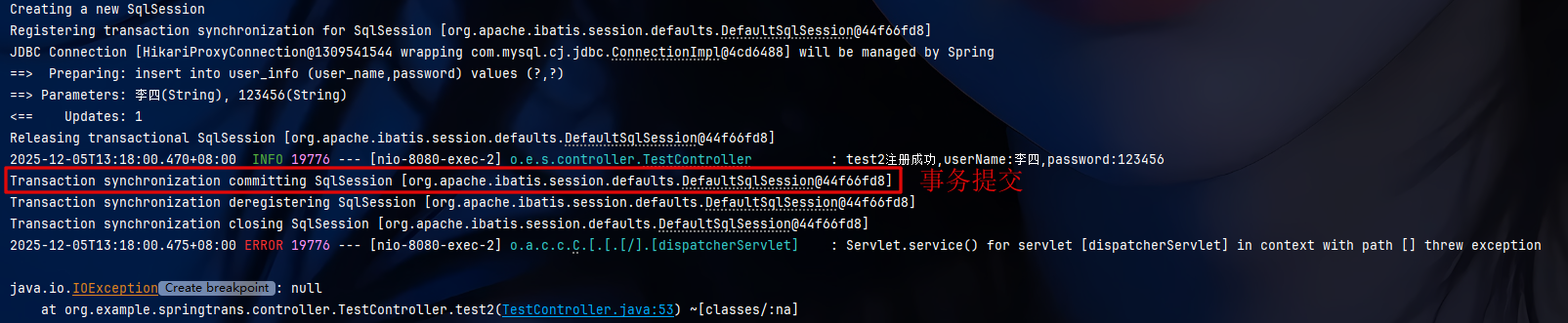
在这里插入图片描述
抛出非受查异常时
@RequestMapping("/test")
@RestController
@Slf4j
public class TestController {
    private final UserService userService;

    @Autowired
    public TestController(UserService userService) {
        this.userService = userService;
    }

    @Transactional
    @RequestMapping("/test3")
    public String test3(String userName,String password) {
        UserInfo userInfo = new UserInfo();
        userInfo.setUserName(userName);
        userInfo.setPassword(password);
        Integer result = userService.register(userInfo);
        if (result == 1){
            log.info("test3注册成功,userName:{},password:{}", userName, password);
            throw new RuntimeException();
        }
        return "注册成功";
    }
}
使用PostMan向后端发送请求:
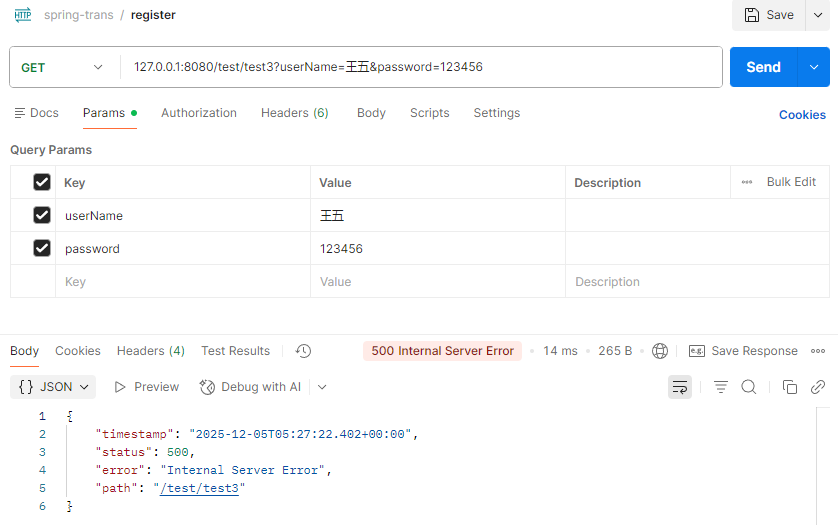
在这里插入图片描述
MySQL查询结果如下:
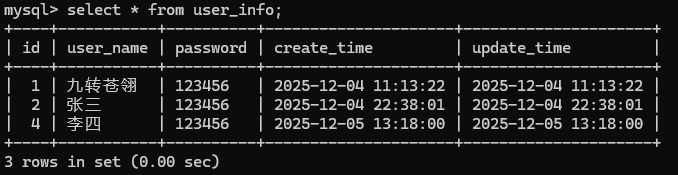
在这里插入图片描述
后端日志日志如下:

在这里插入图片描述
指定回滚类型
@RequestMapping("/test")
@RestController
@Slf4j
public class TestController {
    private final UserService userService;

    @Autowired
    public TestController(UserService userService) {
        this.userService = userService;
    }

    @Transactional(rollbackFor = Exception.class)
    @RequestMapping("/test4")
    public String test4(String userName,String password) throws IOException {
        UserInfo userInfo = new UserInfo();
        userInfo.setUserName(userName);
        userInfo.setPassword(password);
        Integer result = userService.register(userInfo);
        if (result == 1){
            log.info("test4注册成功,userName:{},password:{}", userName, password);
            throw new IOException();
        }
        return "注册成功";
    }
}
使用PostMan向后端发送请求:
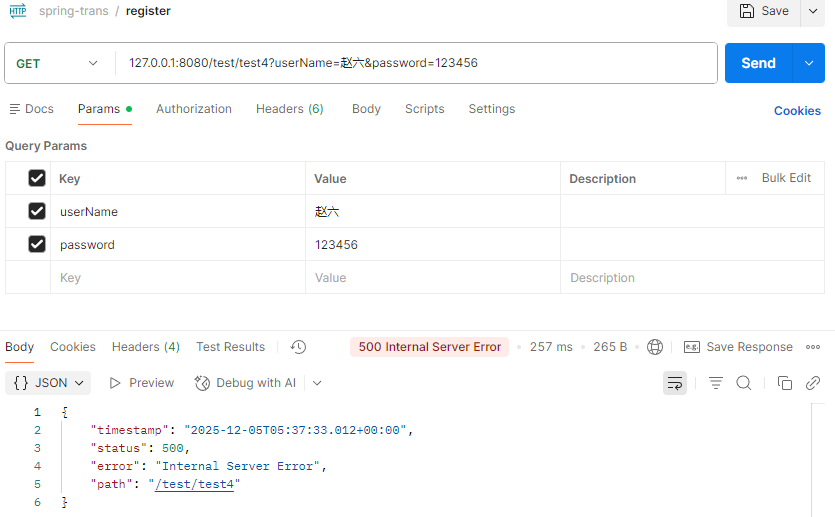
在这里插入图片描述
MySQL查询结果如下:
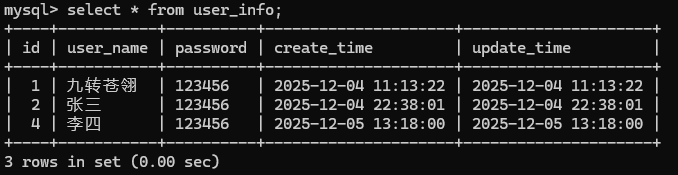
在这里插入图片描述
后端日志日志如下:

在这里插入图片描述
2.2 isolation
作用:用于指定事务的隔离级别
- Isolation.DEFAULT:使用底层数据库默认的隔离级别
- Isolation.READ_UNCOMMITTED:读未提交
- Isolation.READ_COMMITTED:读已提交
- Isolation.REPEATABLE_READ:可重复读
- Isolation.SERIALIZABLE:串行化
每种隔离级别的具体效果在全面解析MySQL(5)——“索引、事务、JDBC”三大核心一文中有介绍,本文不再赘述
2.3 propagation
作用:用于定义事务的传播行为,即当前事务方法被另一个事务方法调用时,事务应如何传播。Spring提供了7种传播行为,均基于Propagation枚举类实现
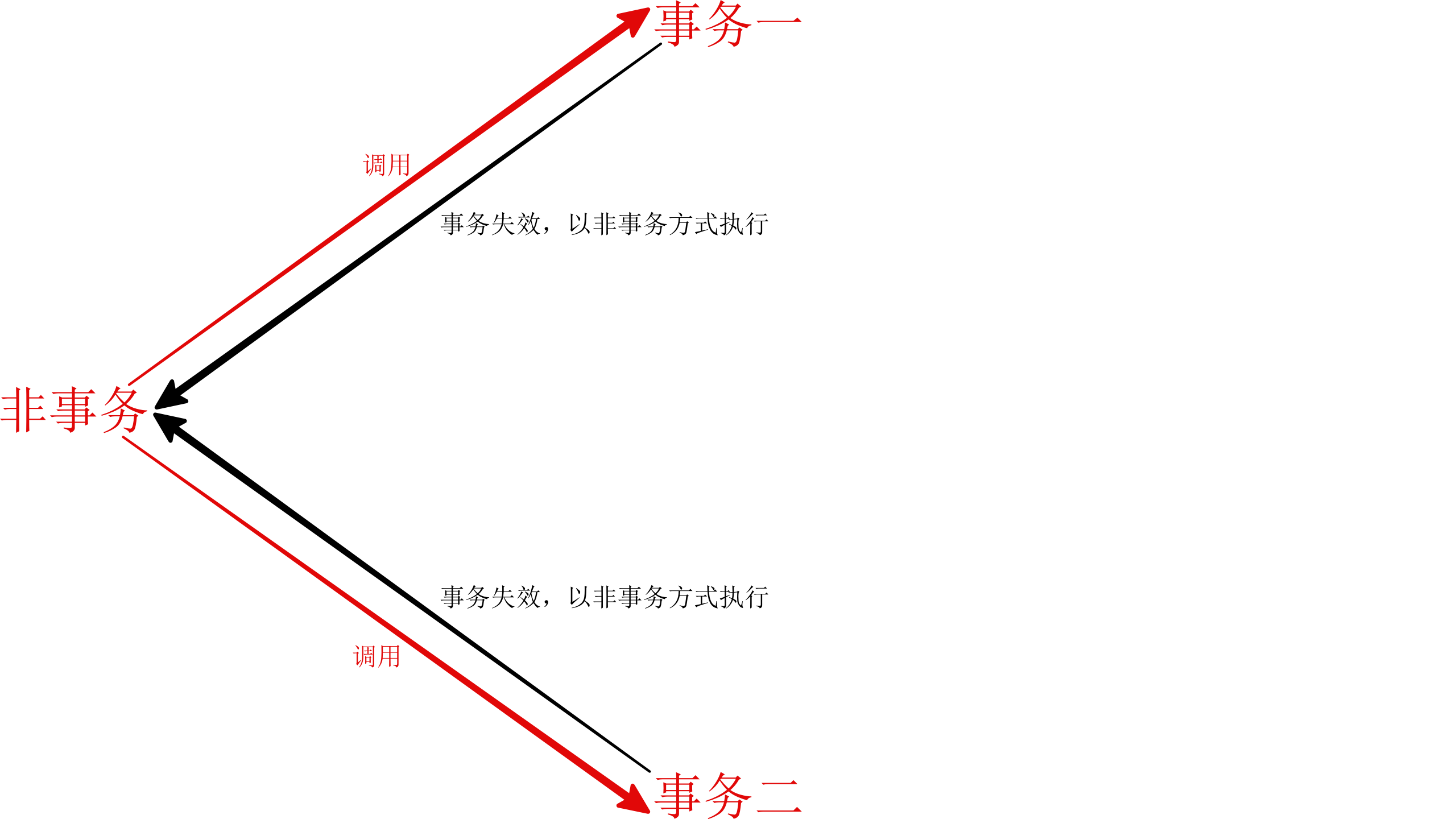
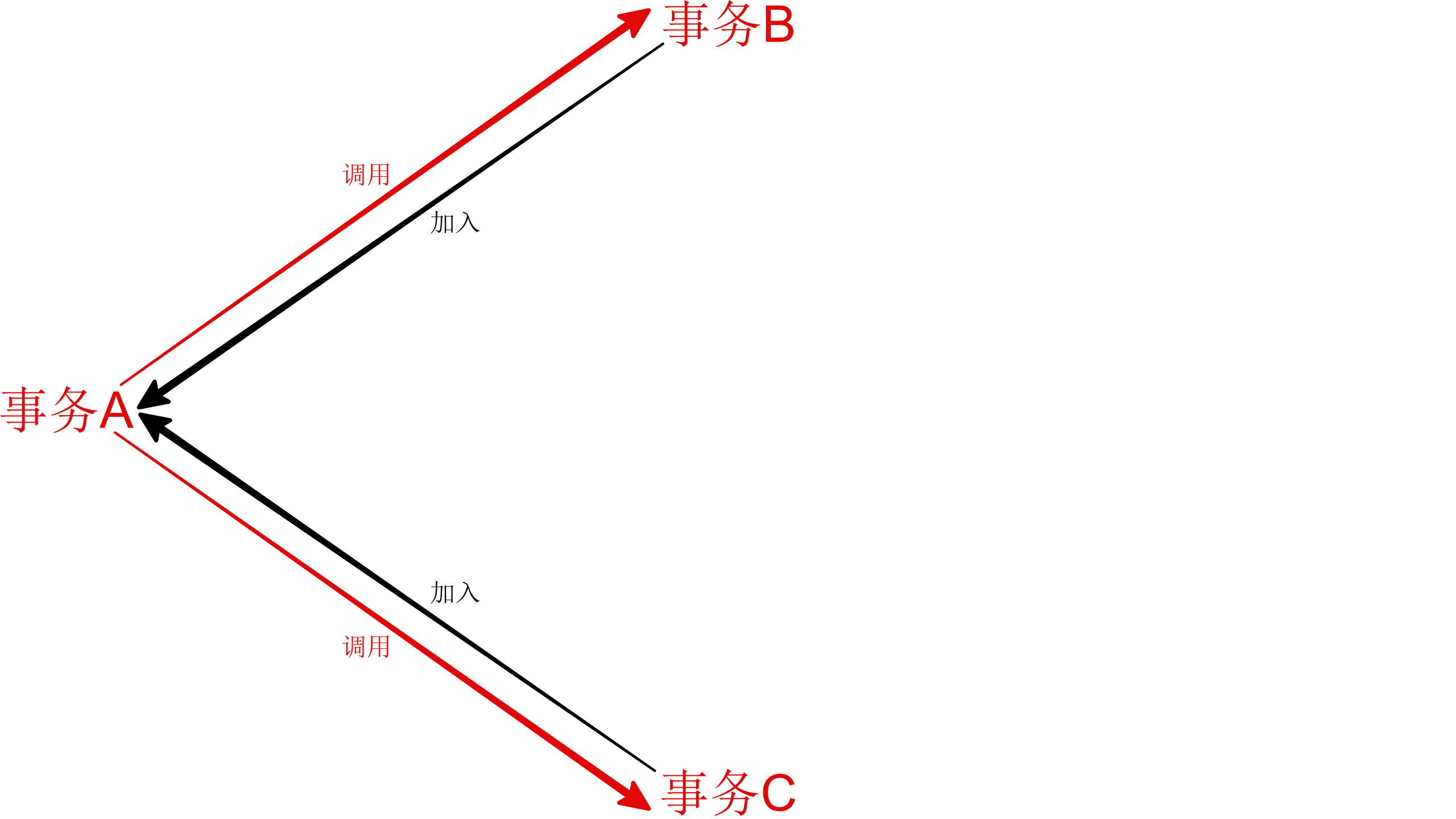
2.3.1 Propagation.REQUIRED
默认传播行为。如果当前存在事务,则加入该事务;如果不存在事务,则新建一个事务
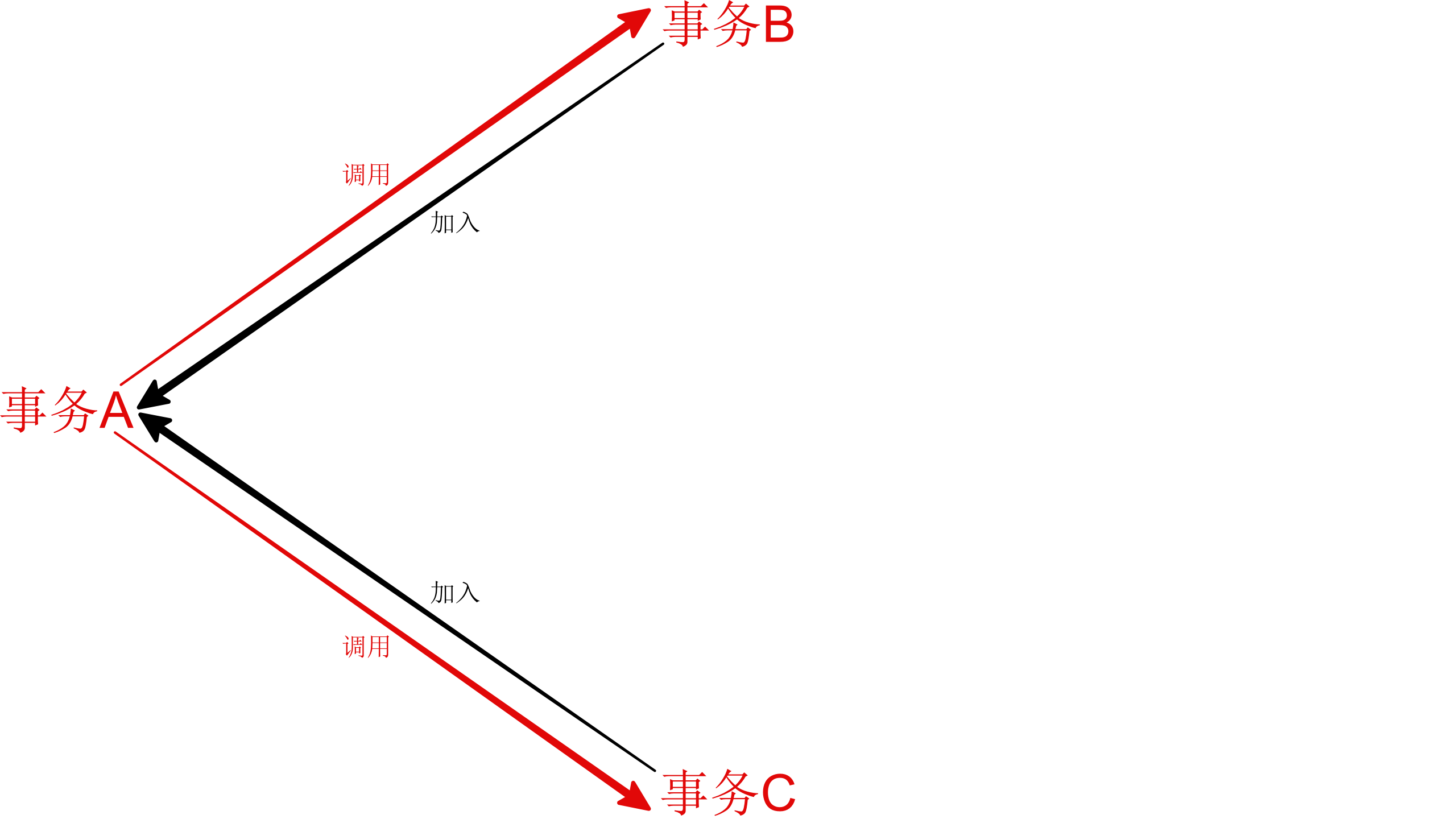
在这里插入图片描述
在这里插入图片描述
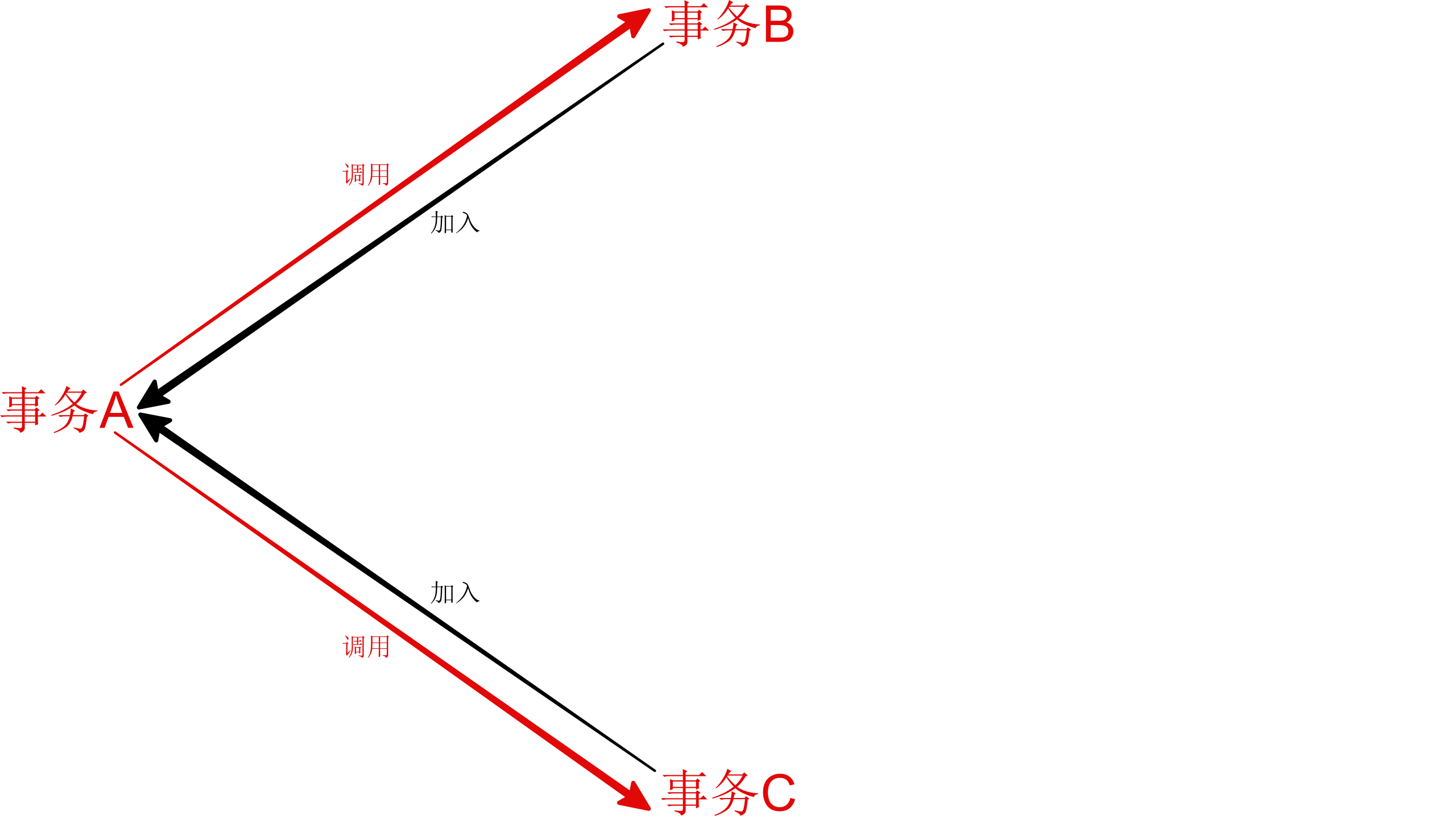
2.3.2 Propagation.SUPPORTS
如果当前存在事务,则加入该事务;如果不存在事务,则以非事务方式执行
在这里插入图片描述
在这里插入图片描述
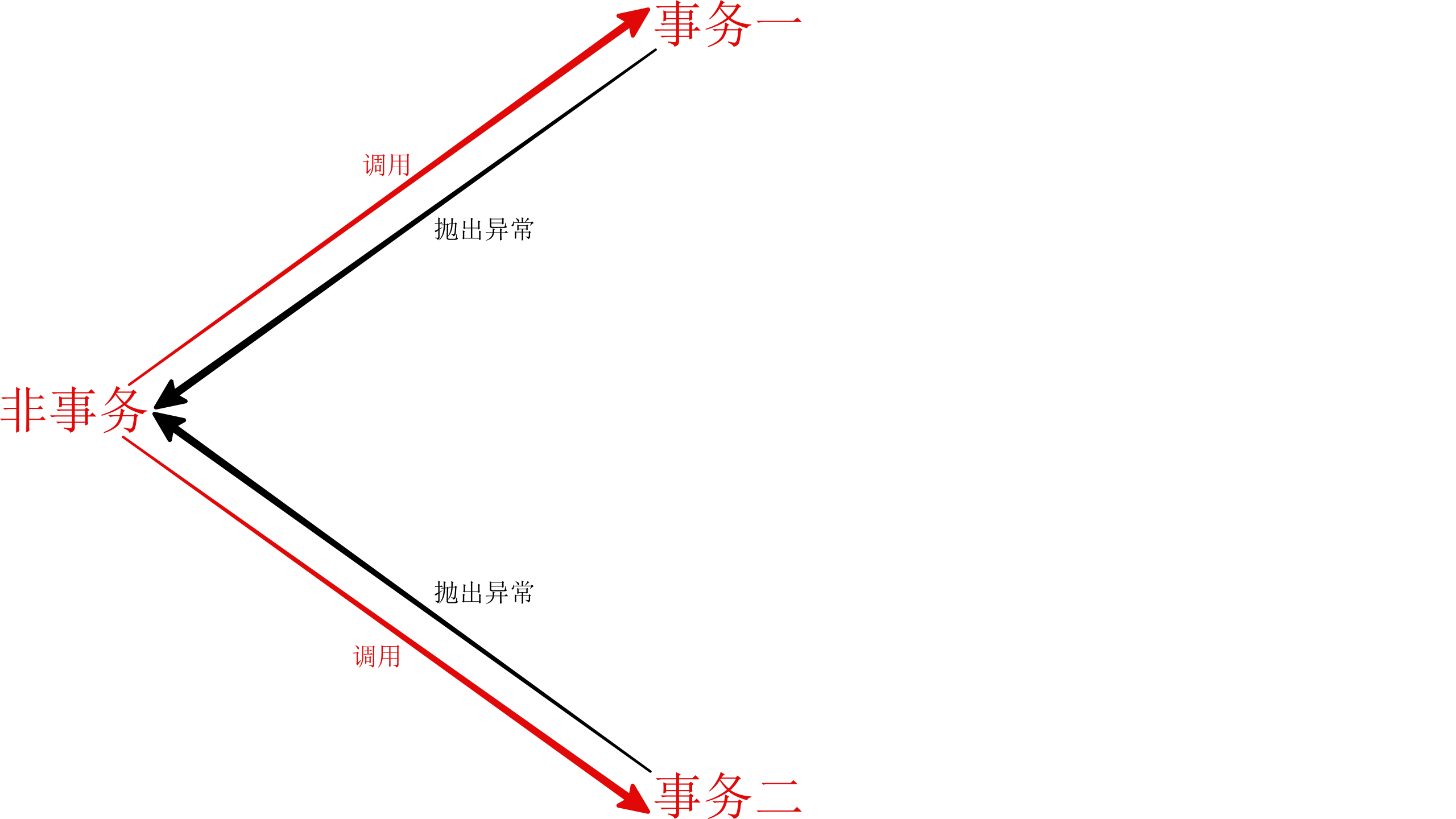
2.3.3 Propagation.MANDATORY
强制要求当前存在事务并加入,否则抛出异常
在这里插入图片描述
在这里插入图片描述
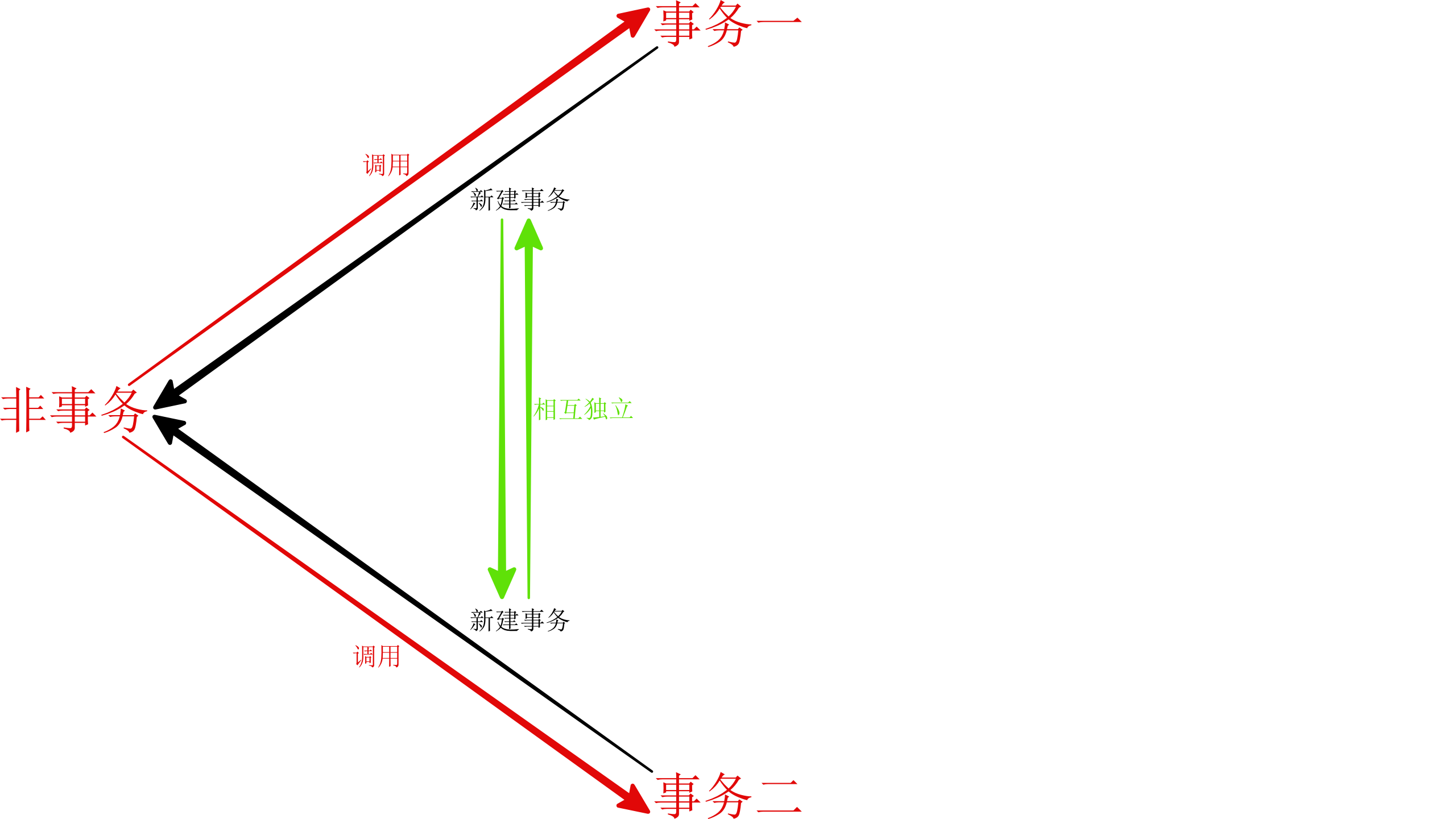
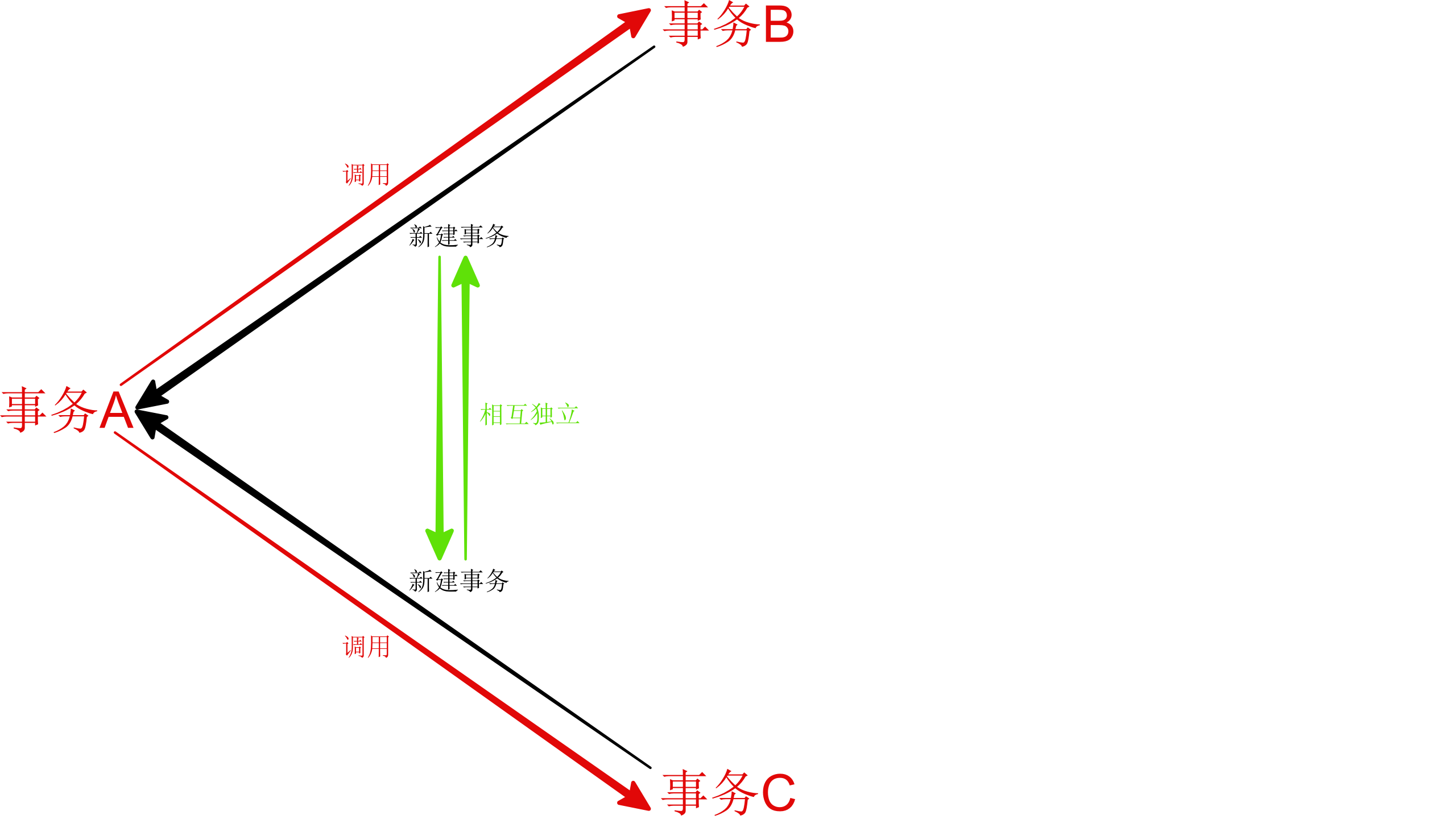
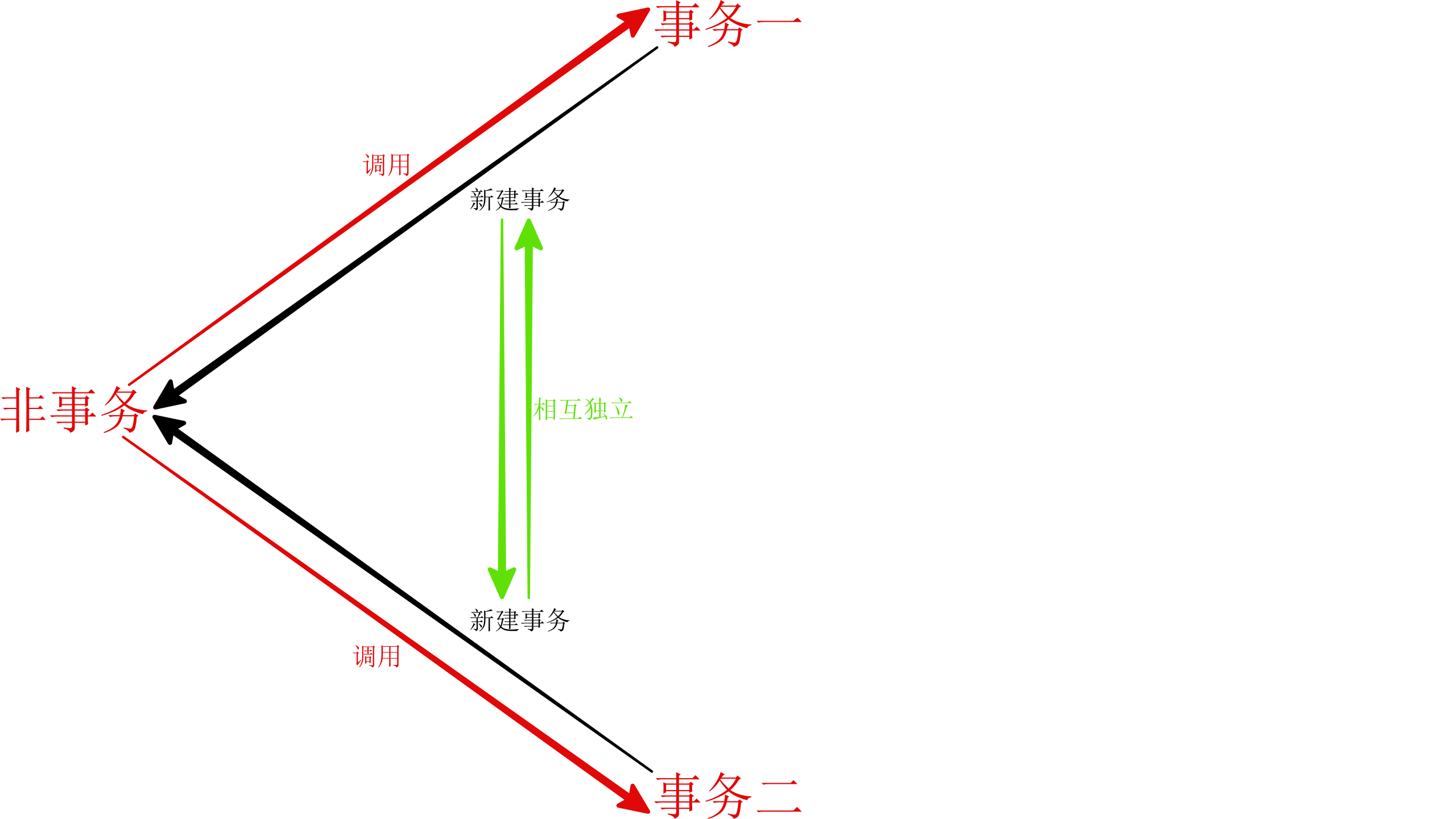
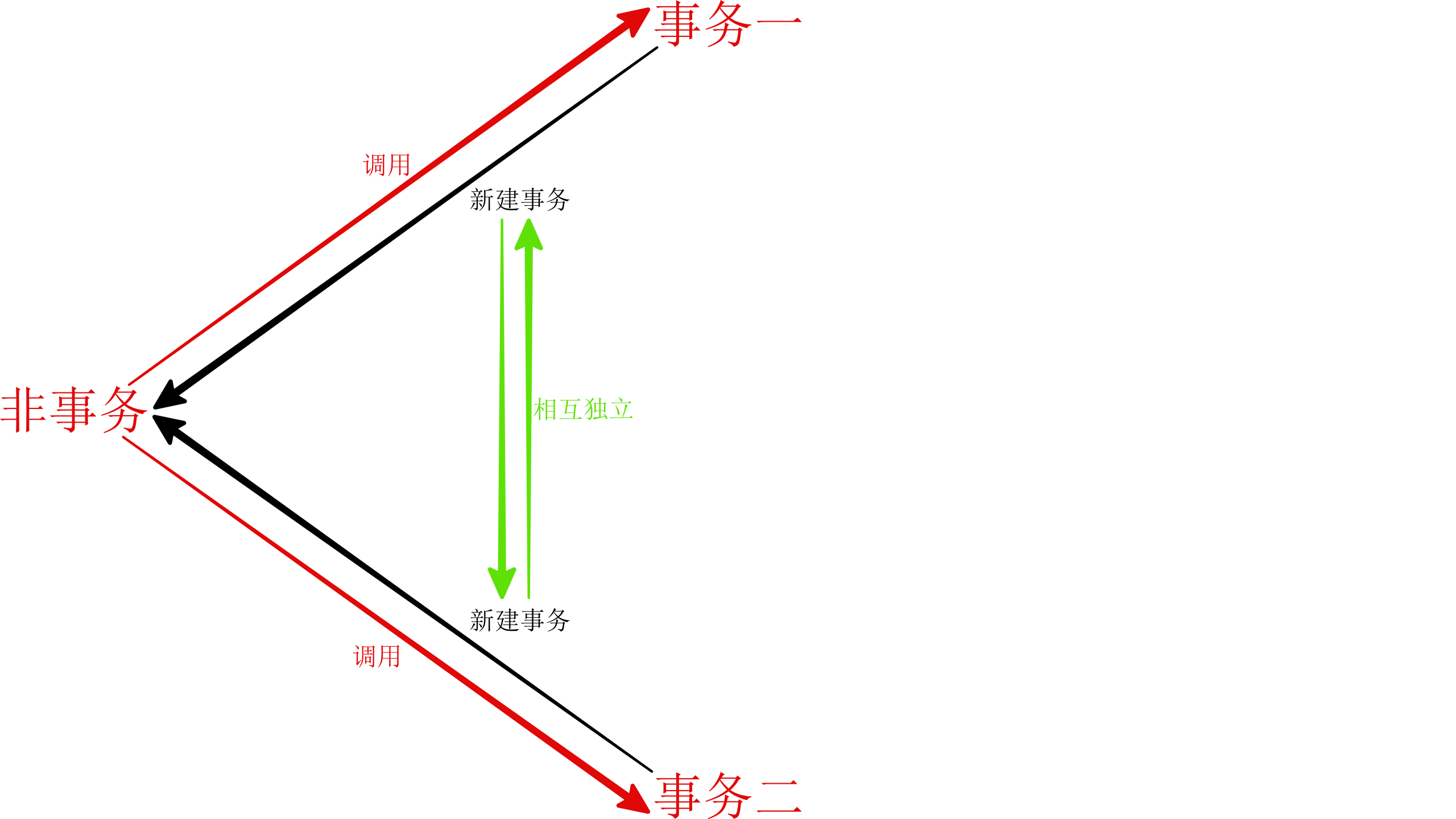
2.3.4 Propagation.REQUIRES_NEW
无论当前是否存在事务,都新建一个事务。新事务与当前事务独立,互不干扰
在这里插入图片描述
在这里插入图片描述
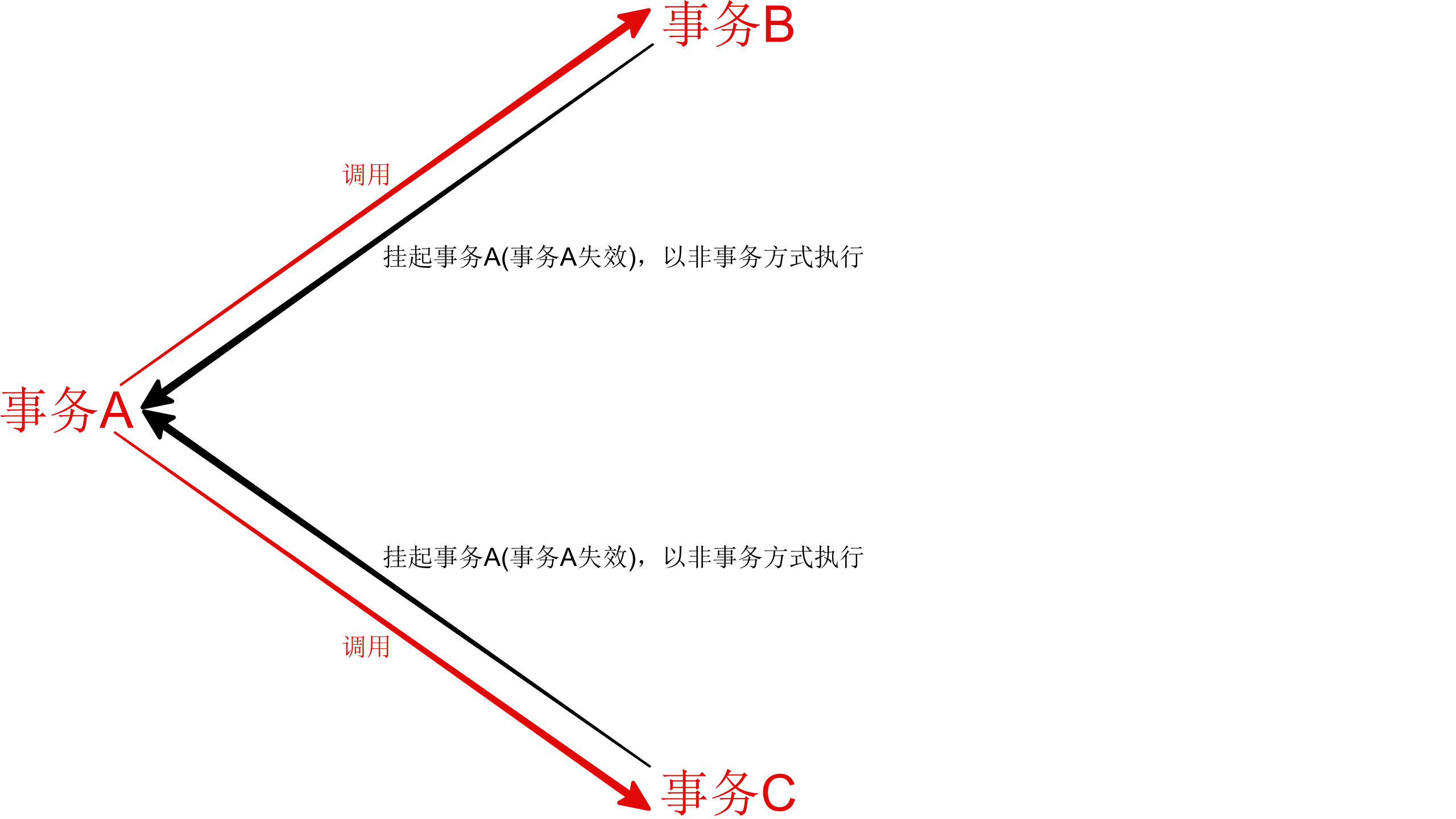
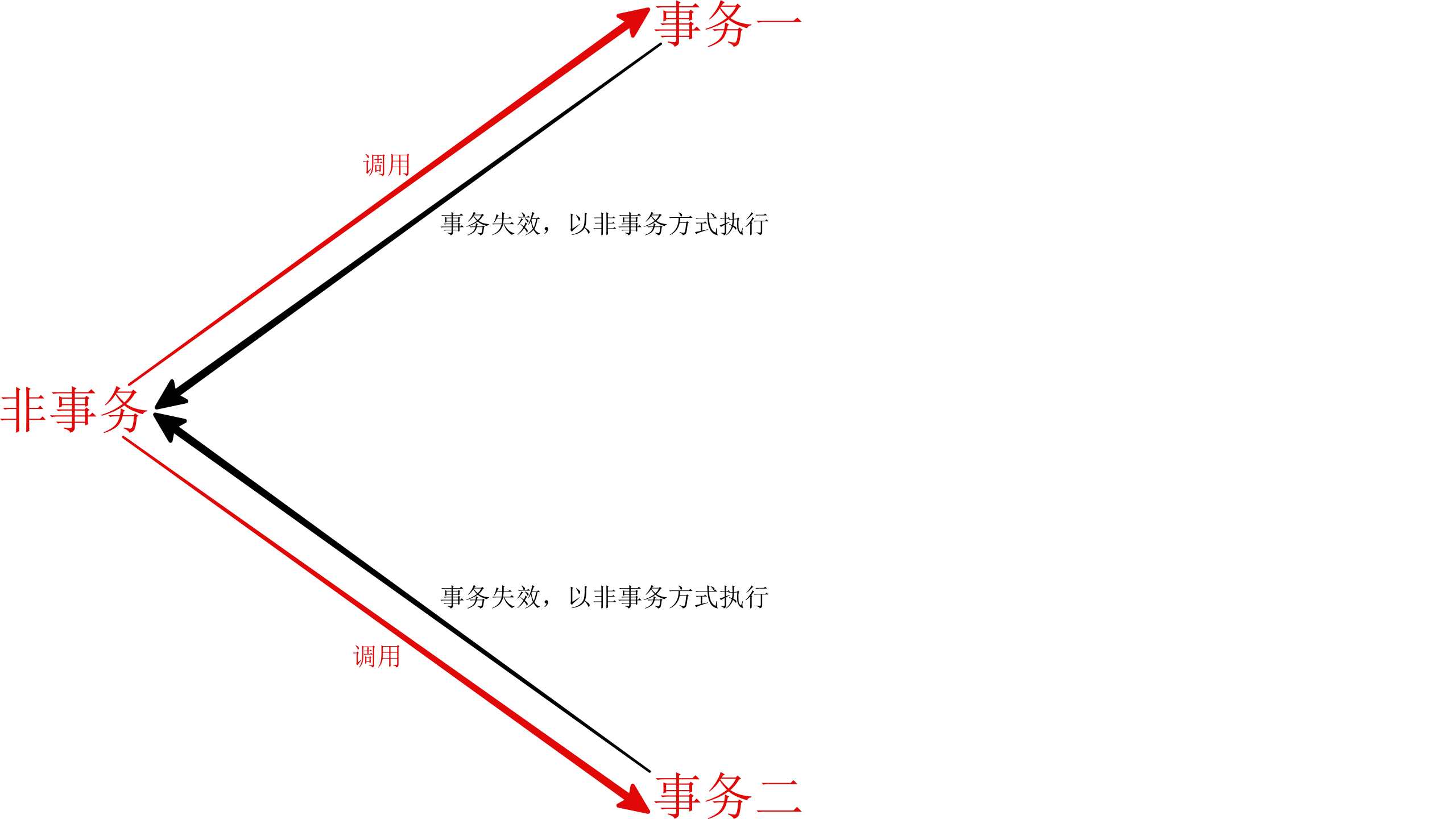
2.3.5 Propagation.NOT_SUPPORTED
以非事务方式执行操作,如果当前存在事务,则挂起该事务
在这里插入图片描述
在这里插入图片描述
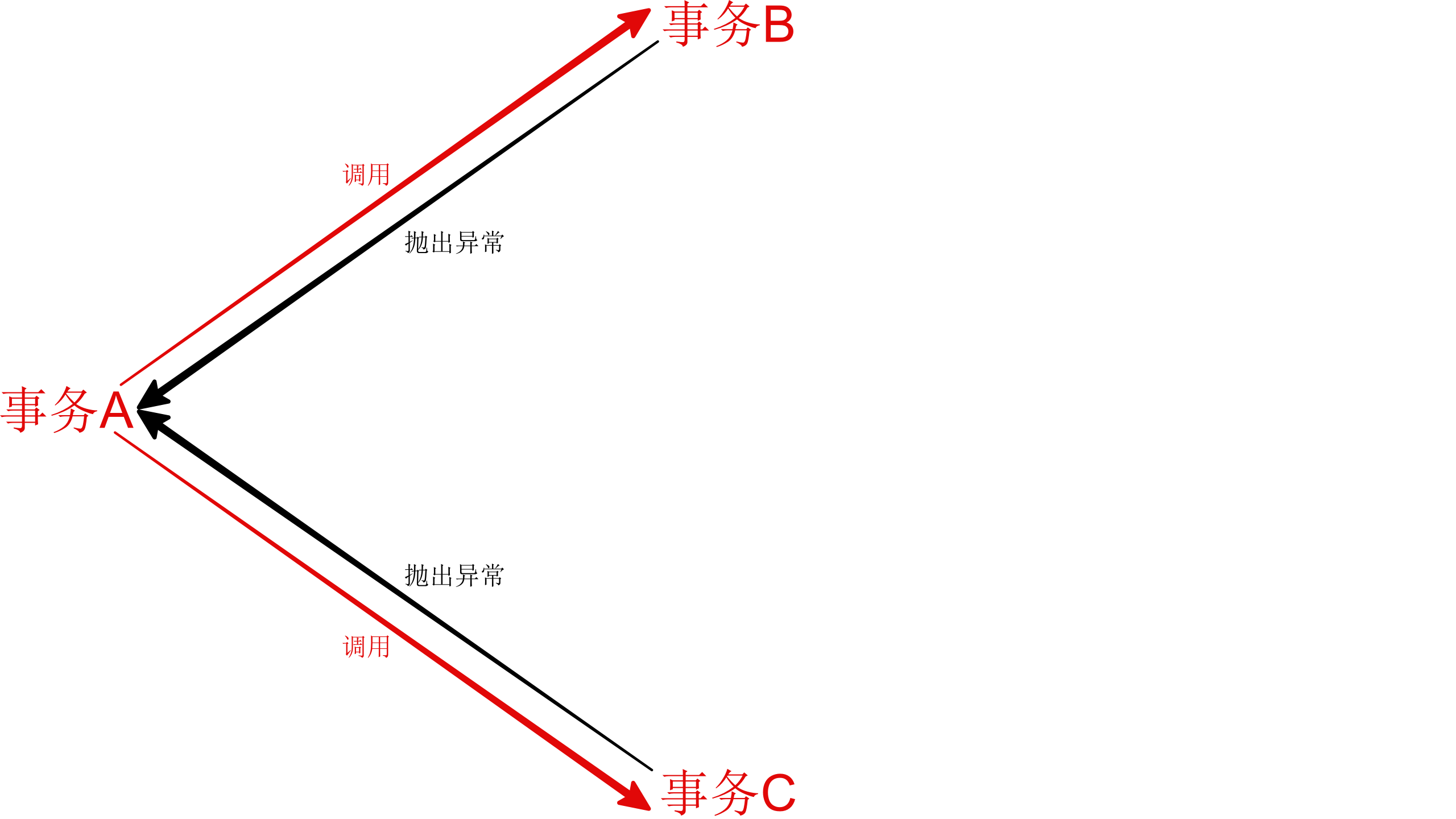
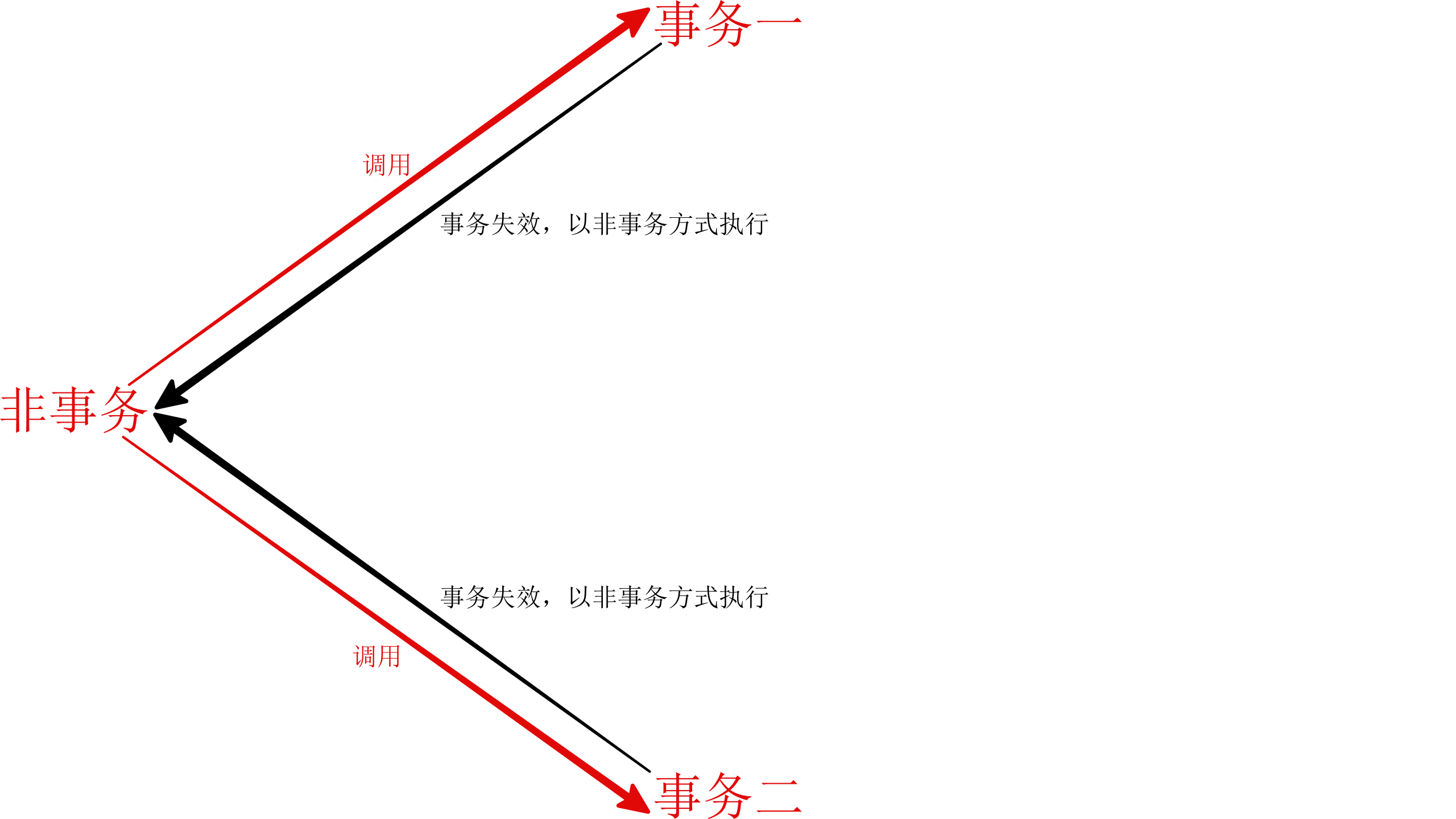
2.3.6 Propagation.NEVER
强制要求当前不能存在事务,否则抛出异常
在这里插入图片描述
在这里插入图片描述
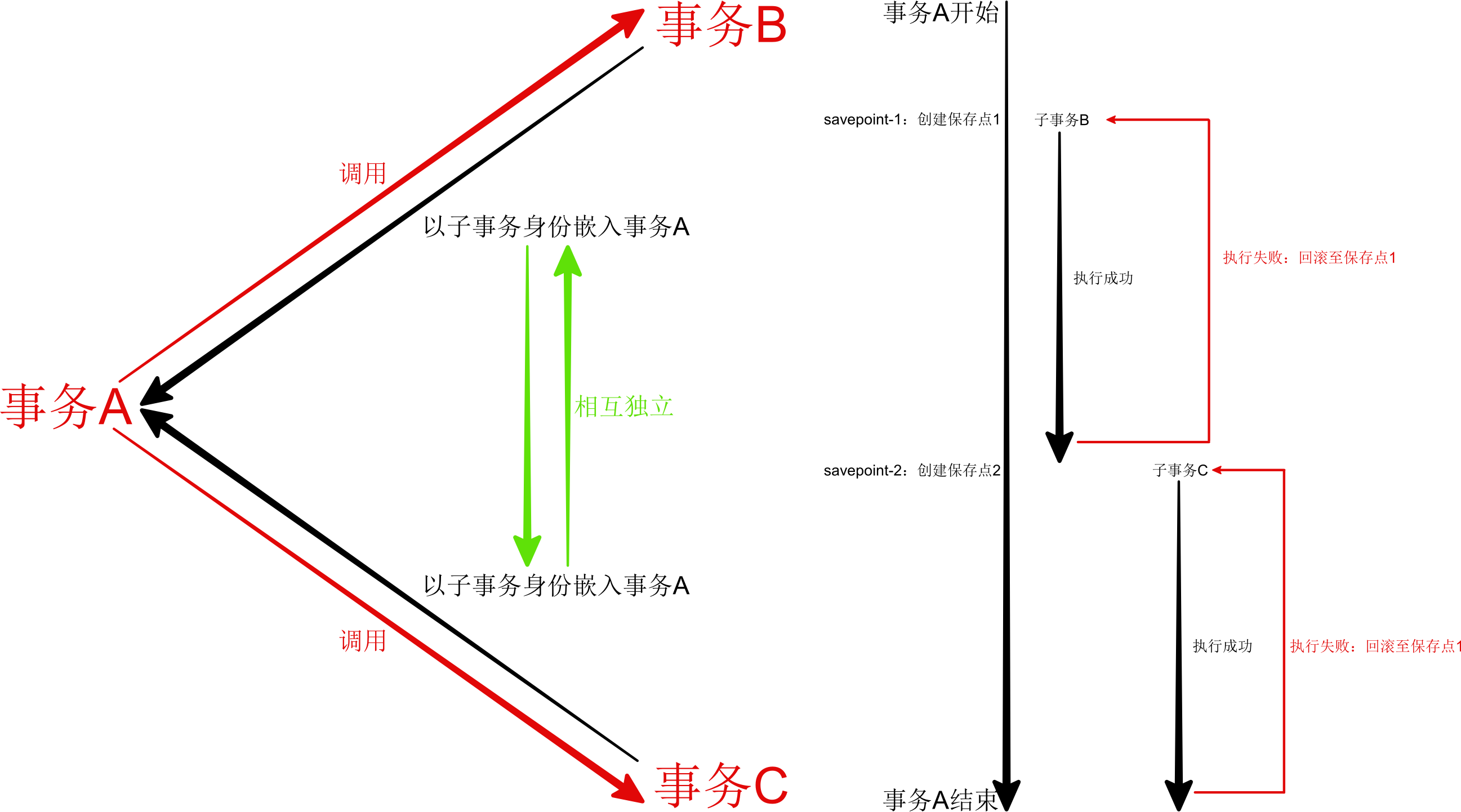
2.3.7 Propagation.NESTED
如果当前存在事务,则在嵌套事务中执行;如果不存在事务,则行为与
Propagation.REQUIRED相同。嵌套事务的回滚不影响外部事务,但外部事务回滚会导致嵌套事务回滚(适用于需要部分回滚的场景)
在这里插入图片描述
3.Gitee
Gitee地址:九转苍翎 本文源码:spring-trans
本文参与 腾讯云自媒体同步曝光计划,分享自作者个人站点/博客。
原始发表:2025-12-08,如有侵权请联系 cloudcommunity@tencent.com 删除
评论
登录后参与评论
推荐阅读
目录
腾讯云开发者

Copyright © 2013 - 2026 Tencent Cloud. All Rights Reserved. 腾讯云 版权所有
深圳市腾讯计算机系统有限公司 ICP备案/许可证号:粤B2-20090059  粤公网安备44030502008569号
腾讯云计算(北京)有限责任公司 京ICP证150476号 | 京ICP备11018762号